.webp)
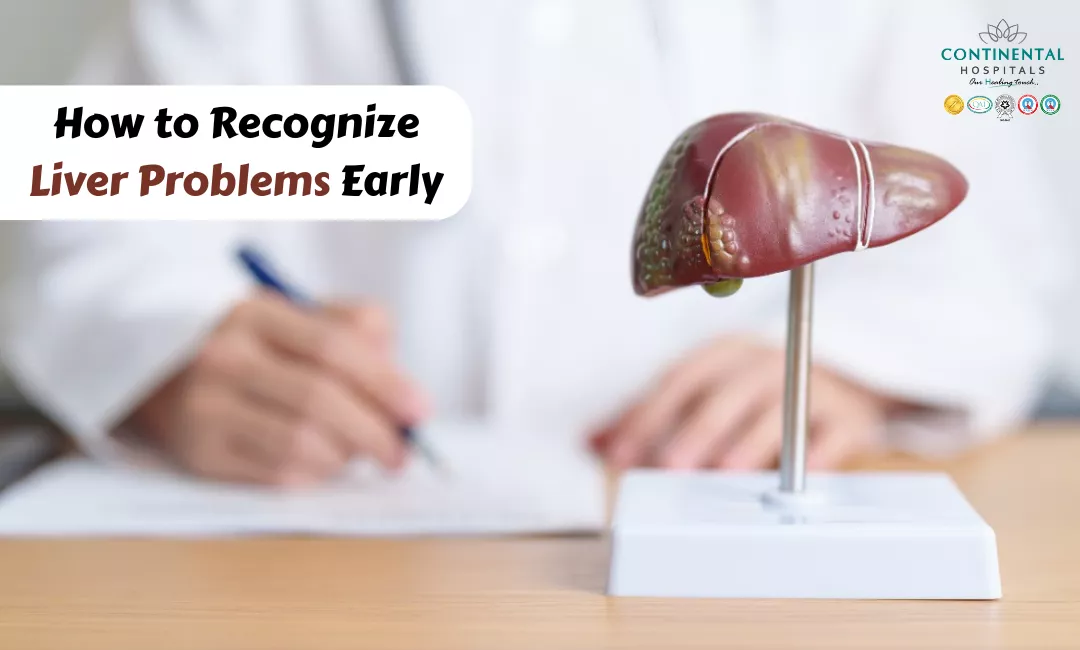
Liver health is essential for overall well-being. The liver plays a crucial role in detoxification, metabolism, digestion, and storage of vital nutrients. Ignoring early signs of liver problems can lead to severe complications. Understanding early liver disease symptoms and knowing when to seek medical attention is key to maintaining a healthy liver. This guide explains the warning signs, diagnostic approaches, and preventive measures in simple, engaging language.
Continental Hospitals offers expert care for all liver-related conditions, combining advanced diagnostics, personalized treatment, and compassionate patient care. If you suffer from fatigue, jaundice, digestive issues, or any symptoms of liver disease in adults, visit our Gastroenterology speciality today to protect your liver health and overall well-being.
Early Liver Disease Symptoms
Recognizing early liver disease symptoms can make a significant difference in treatment outcomes. Some common indicators include:
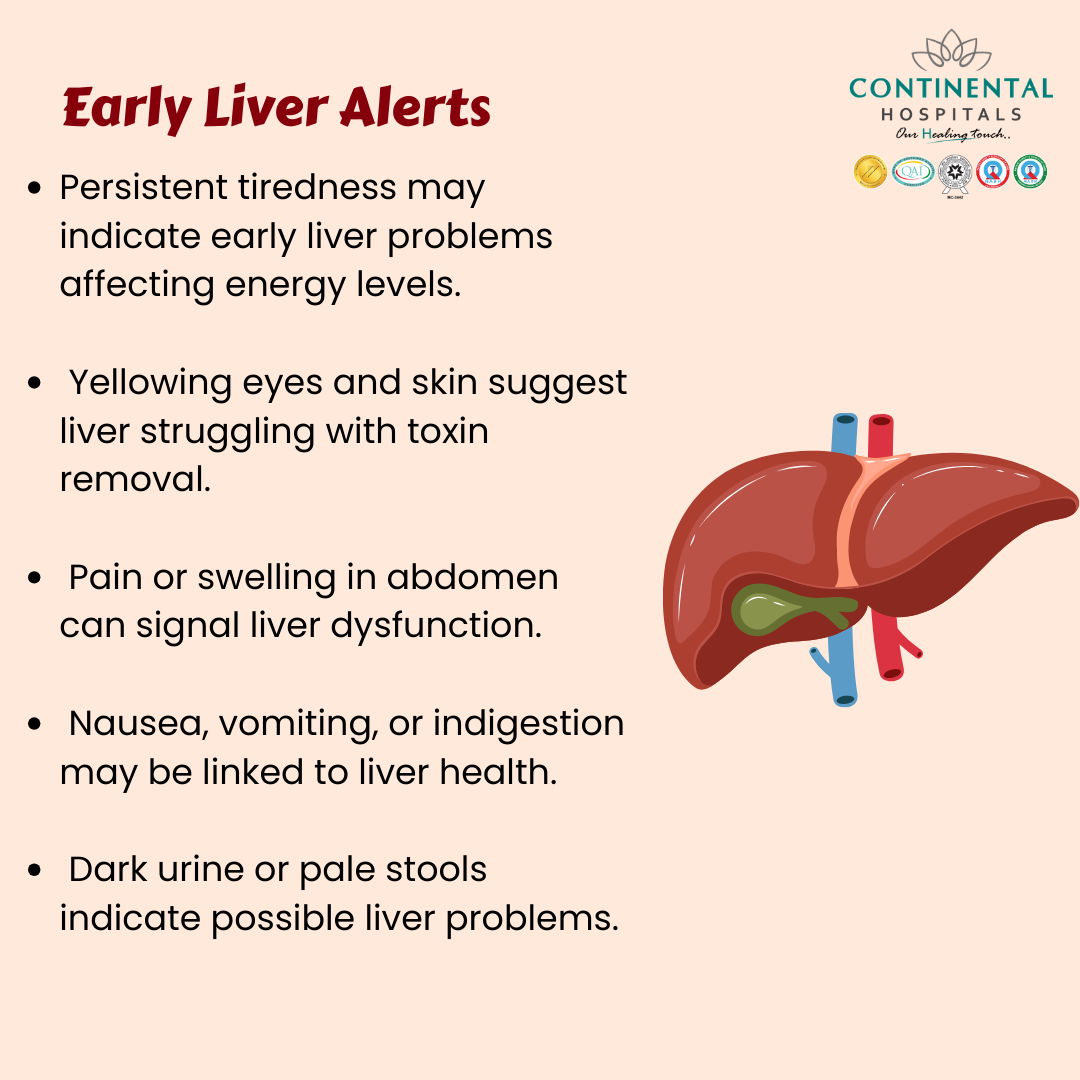
Fatigue liver disease: Persistent tiredness and weakness, even with adequate rest, may indicate the liver is struggling to function.
Jaundice early symptoms: Yellowing of the skin or eyes occurs due to bilirubin buildup when the liver cannot process waste effectively.
Abdominal pain liver issues: Discomfort or swelling in the upper right abdomen can signal liver inflammation or enlargement.
Dark urine liver problem: Unusually dark urine may indicate bile or waste accumulation.
Pale stools liver disease: Light-colored stools can be a sign of blocked bile flow.
Other symptoms of liver disease in adults can include nausea, loss of appetite, unexplained weight loss, itchy skin, and swelling in the legs or abdomen. Paying attention to these signs can help you act early and prevent further complications.

Liver Disease Warning Signs to Watch
Some liver disease warning signs may be subtle but important. Being aware of these can help you detect liver problems before they worsen:
- Persistent digestive issues such as bloating or indigestion
- Unexplained bruising or bleeding due to reduced clotting ability
- Mental confusion or difficulty concentrating caused by toxin accumulation
- Persistent weakness and malaise
These signs indicate that the liver may not be functioning optimally and warrant professional evaluation.
How to Detect Liver Disease?
Early detection of liver problems increases the chances of successful treatment. Here’s how liver disease can be detected:
Physical Examination: Doctors can identify liver enlargement or tenderness during a routine check-up.
Blood Tests: Liver function test early detection measures enzymes, bilirubin, and protein levels to assess liver health.
Imaging Tests: Ultrasound, CT scans, or MRI can reveal structural abnormalities in the liver.
FibroScan: This specialized test evaluates liver stiffness to detect fibrosis or scarring.
Liver Biopsy: In some cases, a small tissue sample is analyzed to confirm liver disease type and severity.
Regular health check-ups and early testing can identify problems like non-alcoholic fatty liver early signs or hepatitis early symptoms before they progress.
Common Causes of Liver Disease
Several factors can contribute to liver damage. Understanding these risk factors can help in prevention:
- Excessive alcohol consumption
- Chronic viral infections like hepatitis B or C
- Poor diet and obesity leading to fatty liver
- Certain medications or toxins affecting liver function
- Genetic conditions that impair liver health
Identifying and managing these risk factors is an essential step in liver disease prevention.
Preventive Measures for Liver Health
Maintaining a healthy lifestyle can reduce the risk of liver problems. Consider the following tips:
- Eat a balanced diet rich in fruits, vegetables, and whole grains
- Limit alcohol intake and avoid excessive consumption
- Maintain a healthy weight to prevent fatty liver disease
- Exercise regularly to improve metabolism and circulation
- Get vaccinated for hepatitis A and B
- Avoid unnecessary medications or exposure to toxins
Early detection combined with preventive measures can significantly reduce the impact of liver disease.
Why Choose Continental Hospitals for Liver Care?
Continental Hospitals is recognized as one of the best hospitals in Hyderabad, offering world-class medical care. The hospital is accredited by Joint Commission International (JCI) and National Accreditation Board for Hospitals and Healthcare Providers (NABH), reflecting global standards of patient safety, quality, and clinical excellence.
Patients benefit from:
- Multidisciplinary liver care with experienced hepatologists and gastroenterologists
- Advanced diagnostic tools including liver function tests, imaging, and FibroScan
- Personalized treatment plans based on international protocols
- Comprehensive preventive and lifestyle guidance for liver health
The hospital’s patient-focused approach ensures comfort, safety, and continuous monitoring throughout treatment, making it a trusted choice for liver health management.
When Should You Consult a Doctor?
Consult a specialist if you experience:
- Persistent fatigue liver disease
- Jaundice or yellowing of eyes and skin
- Abdominal pain liver issues
- Dark urine liver problem or pale stools liver disease
- Unexplained weight loss or digestive problems
Early consultation with a hepatologist or gastroenterologist ensures timely diagnosis and effective management of liver conditions.
Conclusion
Recognizing early liver disease symptoms and acting promptly can prevent serious complications and improve quality of life. Paying attention to signs of liver problems, understanding liver disease warning signs, and undergoing regular liver function test early detection can make a significant difference.
Continental Hospitals offers expert care for all liver-related conditions, combining advanced diagnostics, personalized treatment, and compassionate patient care. If you suffer from fatigue, jaundice, digestive issues, or any symptoms of liver disease in adults, consult our best Gastroenterologist specialists today to protect your liver health and overall well-being.
Related Blog Topics