.webp)

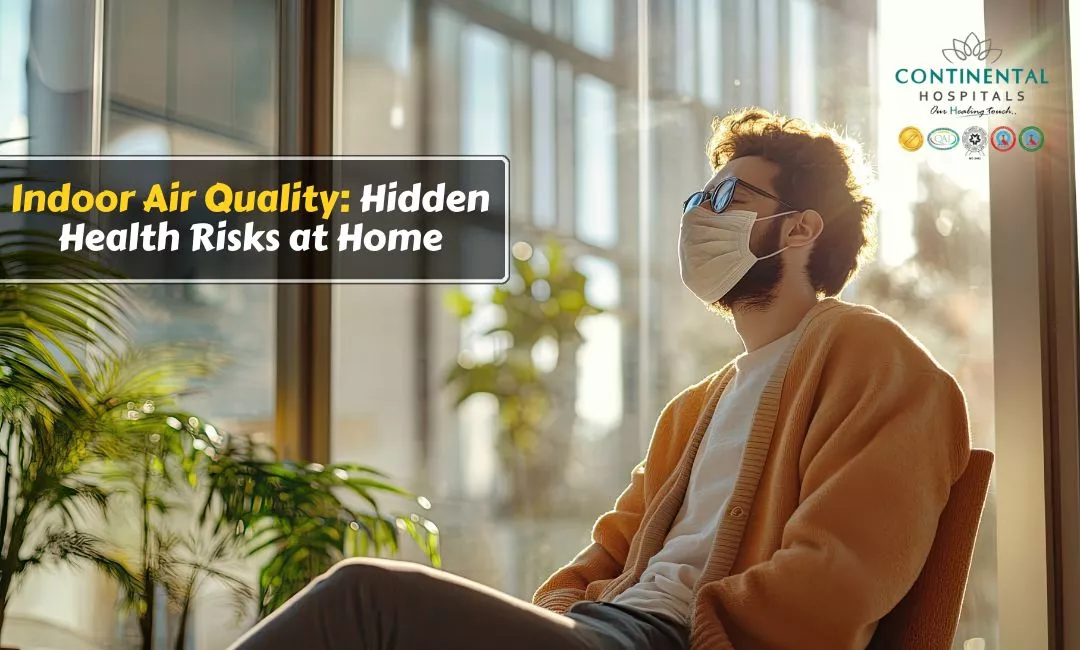
We often think of air pollution as something that exists only outside, such as smog over a busy highway or smoke from industrial chimneys. However, the air we breathe inside our homes can sometimes be more polluted than the air outside. Since most people spend a significant portion of their time indoors, understanding indoor air quality is essential for maintaining long term health and well-being.
Understanding Indoor Air Pollution
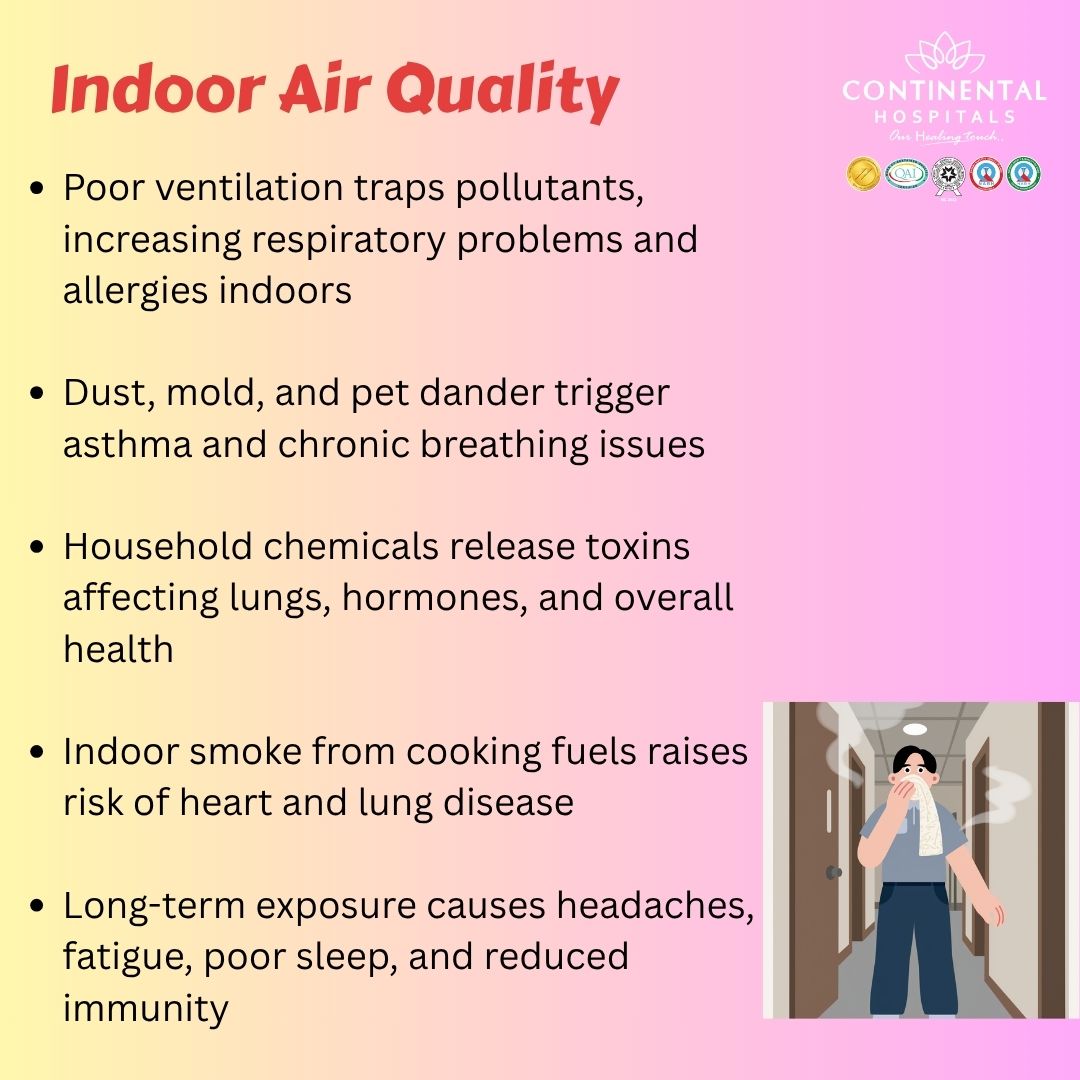
Indoor air pollution refers to the presence of harmful pollutants within a building. These pollutants can come from various sources, ranging from cooking fumes and cleaning supplies to building materials and outdoor air that leaks inside. When air circulation is poor, these pollutants accumulate, leading to poor air quality at home.
Common sources of indoor air health risks include:
- Volatile Organic Compounds (VOCs) found in paints and aerosol sprays
- Tobacco smoke and combustion byproducts from gas stoves
- Biological pollutants like mold, pollen, and pet dander
- Radon gas and asbestos in older building structures
Visit our Pulmonology Department at Continental Hospitals for expert care. Book your consultation today for a complete respiratory health evaluation.
The Impact of Air Pollution on Your Health
Breathing contaminated air is not just a minor inconvenience; it is a serious medical concern. Poor air quality at home can trigger immediate reactions or lead to chronic conditions that manifest years later.
Short-Term Effects
Many people experience immediate symptoms when exposed to indoor air pollution. These often resemble common cold or allergy symptoms, making them difficult to identify at first. You might experience:
- Irritation of the eyes, nose, and throat
- Frequent headaches and dizziness
- Persistent fatigue
- Unexplained coughing or sneezing
Long-Term Health Risks
Continuous exposure to indoor air health risks can lead to more severe respiratory and cardiovascular issues. Medical research suggests that long term exposure to air pollution within the home is linked to:
- Chronic respiratory diseases like asthma and bronchitis
- Increased risk of heart disease and stroke
- Impaired lung development in children
- Aggravation of existing allergic conditions
How to Improve Indoor Air Quality
Improving the environment within your home does not require complex industrial equipment. Small, consistent changes can significantly reduce the concentration of pollutants.
Increase Ventilation: Open windows and doors whenever the weather permits to allow fresh air to circulate. Use exhaust fans in kitchens and bathrooms to remove moisture and combustion gases.

Maintain Humidity Levels: Keep indoor humidity between thirty and fifty percent. This prevents the growth of mold and mildew, which are major contributors to poor air quality.
Choose Low VOC Products: When painting or remodeling, opt for products labeled as low VOC. This reduces the chemical off-gassing that stays in the air for weeks.
Regular Cleaning: Use vacuum cleaners with HEPA filters to trap small particles. Frequently wash bedding and curtains to minimize dust mites and pet dander.
Air-Purifying Plants: Certain indoor plants can help naturally filter out common toxins, though they should be used in conjunction with other air cleaning methods.
Why Choose Continental Hospitals for Your Respiratory Health?
When it comes to managing the health effects of indoor air pollution, seeking professional medical advice is vital. Continental Hospitals stands as the best hospital in Hyderabad for comprehensive respiratory and environmental health care.
Our facility is recognized for its commitment to clinical excellence and patient safety. We hold prestigious accreditations, including the Joint Commission International (JCI) and the National Accreditation Board for Hospitals & Healthcare Providers (NABH). These certifications ensure that our clinical protocols, hygiene standards, and patient care systems meet the highest global benchmarks.
At Continental Hospitals, we provide:
- State-of-the-art diagnostic tools to assess lung function and allergic sensitivities.
- A multidisciplinary approach involving pulmonologists, allergists, and internal medicine experts.
- Advanced treatment plans tailored to the specific environmental triggers in your life.
- A focus on preventive healthcare to help you manage your environment before it affects your health.
Taking Control of Your Environment
Identifying the hidden risks at home is the first step toward a healthier lifestyle. By monitoring your indoor air quality and taking proactive steps to reduce pollutants, you protect yourself and your family from unnecessary illness. If you find that you or your loved ones are frequently falling ill or experiencing persistent respiratory issues despite cleaning efforts, it may be time to consult a specialist.
The relationship between air quality and health is undeniable. While we cannot always control the air in the city, we can take charge of the air within our own four walls. Simple actions like changing air filters regularly, avoiding indoor smoking, and ensuring proper ventilation can transform your home into a safe sanctuary.
Conclusion
Your home should be a place of recovery and comfort, not a source of health problems. Understanding the nuances of indoor air pollution allows you to mitigate risks effectively. Whether it is through better ventilation or choosing the right materials for your living space, every step counts. If you have concerns about how your home environment is affecting your breathing or overall health, professional guidance is available.
If you suffer from persistent coughing, shortness of breath, or frequent respiratory infections, do not ignore the signs. These could be symptoms of prolonged exposure to poor air quality.
Consult our best pulmonologist in Hyderabad at Continental Hospitals today for a comprehensive evaluation of your respiratory health.
Related Blog Topics: