.webp)


Managing blood sugar levels is critical for overall health, especially for people with diabetes or prediabetes. Diet plays a major role in maintaining stable glucose levels, and choosing the right fruits can make a significant difference. Among popular fruits, apples are frequently discussed for their potential impact on blood sugar. This article explores whether apples are good for blood sugar control, their benefits, best practices, and how they can be included in a diabetes-friendly diet. It also highlights why consulting an expert is essential for personalized guidance
If you struggle to control blood sugar, consult an Diabetology Speciality at Continental Hospitals for early evaluation, personalized guidance, and effective management.
Why Blood Sugar Control Matters
Blood sugar control is vital for preventing complications associated with diabetes, including nerve damage, kidney problems, and heart disease. Stable glucose levels support energy, cognitive function, and long-term health. While medications and insulin therapy are important for some individuals, diet remains a cornerstone of effective management. Choosing low glycemic index foods, including certain fruits like apples, can help regulate sugar absorption and reduce spikes.
Nutritional Profile of Apples
Apples are rich in essential nutrients and dietary fiber. They contain:
- Dietary fiber: Helps slow digestion and sugar absorption
- Vitamins: Especially vitamin C, which supports immunity
- Antioxidants: Such as quercetin and polyphenols, which may reduce inflammation
- Low glycemic index: Typically ranging between 30-40, depending on the variety
These properties make apples a beneficial choice for people looking to manage blood sugar naturally.
How Apples Affect Blood Sugar
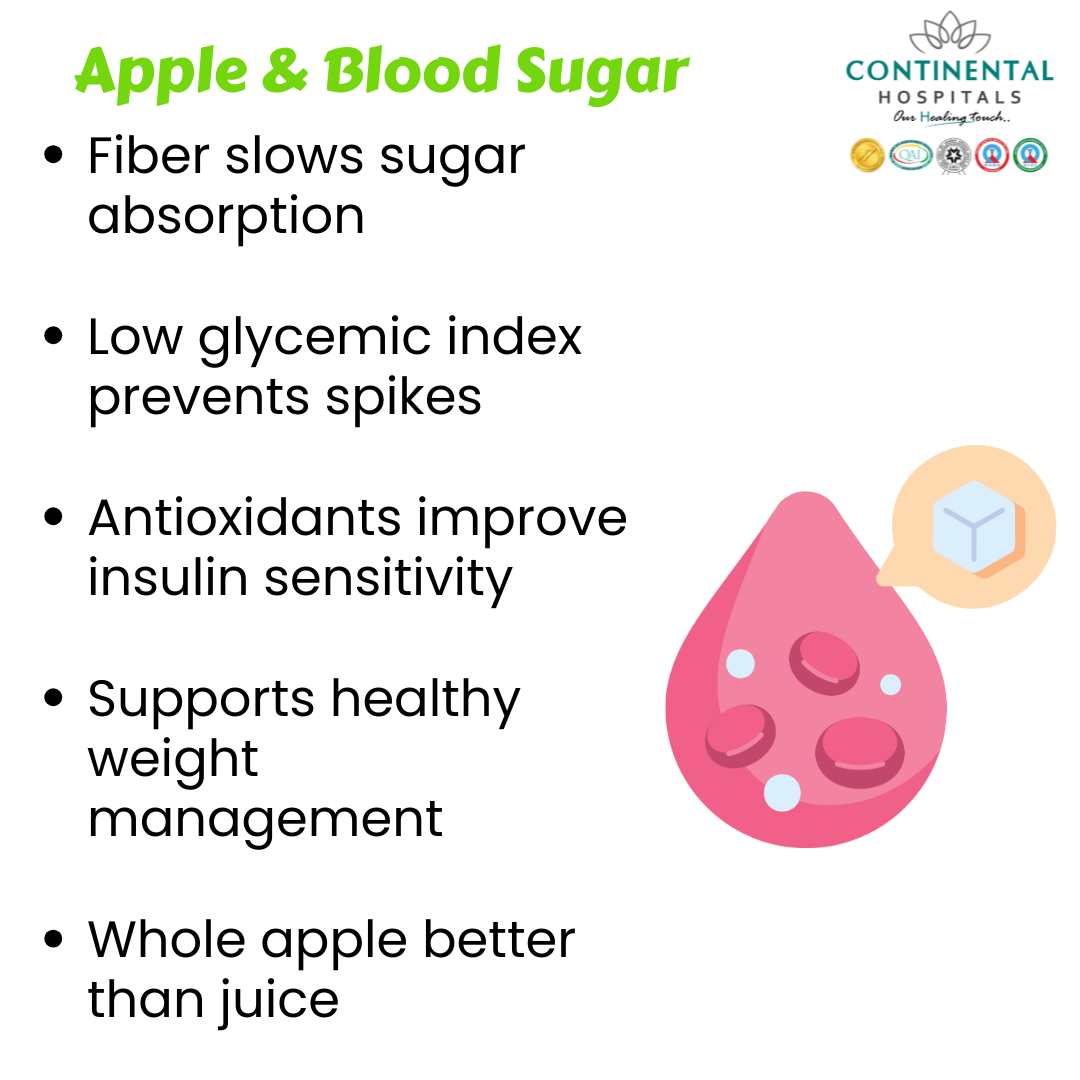
Apples have a low glycemic index, which means they cause a slower, steadier rise in blood sugar compared to high GI foods. The soluble fiber in apples, particularly pectin, slows the absorption of sugar in the intestines. This helps prevent sudden spikes in glucose and supports better long-term glycemic control.
Some studies have also suggested that regular consumption of apples may improve insulin sensitivity, making the body more effective at using insulin and controlling blood sugar levels.
Benefits of Apples for Blood Sugar Control
- Slow Sugar Absorption: Fiber content helps moderate glucose release
- Supports Insulin Sensitivity: Antioxidants may improve insulin function
- Weight Management: Low calorie and filling fruit supports healthy weight, indirectly aiding blood sugar control
- Heart Health: Regular apple consumption can reduce risk factors for heart disease, common in diabetes
- Digestive Health: Promotes gut health, which plays a role in metabolic regulation
Including apples in a balanced diet can be part of a comprehensive strategy to maintain healthy glucose levels.

Best Practices for Including Apples in Your Diet
- Eat whole apples instead of juice to maximize fiber benefits
- Monitor portion sizes: One medium apple per meal is sufficient
- Pair with protein or healthy fats: Such as nuts or yogurt to further reduce sugar absorption
- Choose raw or minimally processed apples: Avoid sweetened or canned varieties
- Consider variety: Both green and red apples are good, but green apples may have slightly lower sugar content
Timing and Frequency
Eating apples at the right time can support stable blood sugar levels. Some recommendations include:
- As a mid-morning or mid-afternoon snack to prevent energy crashes
- Before or after balanced meals to improve glycemic response
- Avoiding large quantities at once to prevent spikes
Apples and Prediabetes
For people with prediabetes, apples can be particularly beneficial. The fiber slows glucose absorption, which helps maintain fasting glucose within healthy ranges. Regular consumption combined with a balanced diet and physical activity may reduce the risk of progression to type 2 diabetes.
Apples and HbA1c Control
HbA1c reflects average blood sugar over three months. Including apples in a low-GI, fiber-rich diet may contribute to better HbA1c levels over time. Consistency, portion control, and pairing with other nutrient-dense foods are key to seeing measurable benefits.
Green Apples vs Red Apples
Both green and red apples offer similar benefits, but:
- Green apples: Slightly lower sugar content, tart flavor
- Red apples: Slightly sweeter, rich in antioxidants
- Both types provide fiber and vitamins that support blood sugar regulation
Choosing based on preference is acceptable, as long as portion sizes are monitored.
Potential Considerations
While apples are generally safe for blood sugar control, some points to keep in mind include:
- Individual response: Blood sugar impact may vary; monitoring with a glucometer is recommended
- Processed apple products: Juice or sweetened snacks can increase glucose rapidly
- Underlying conditions: People with specific metabolic disorders should consult a doctor before dietary changes
Why Choose Continental Hospitals for Expert Guidance?
Continental Hospitals is recognized as one of the best hospitals in Hyderabad, Continental Hospitals in Hyderabad is a trusted choice for managing diabetes and metabolic health. The hospital is NABH and JCI accredited, ensuring international standards of patient safety and clinical excellence.
Key reasons to choose Continental Hospitals include:
- Experienced endocrinologists and diabetologists providing personalized care
- Comprehensive management including diet counseling, lifestyle planning, and medications
- Advanced diagnostics for accurate monitoring of glucose, HbA1c, and insulin levels
- Patient-centered care focusing on long-term metabolic health
With expert guidance, patients can learn the best ways to include apples and other fruits safely in their diet.
Practical Tips for Blood Sugar Control
- Monitor your blood sugar regularly to understand individual responses
- Maintain balanced meals with fiber, protein, and healthy fats
- Include fruits like apples, berries, and citrus in moderation
- Stay active and maintain a healthy weight
- Follow up with an endocrinologist for long-term management
Conclusion
Apples can be a beneficial addition to a blood sugar-friendly diet due to their fiber, low glycemic index, and antioxidants. Eating them in moderation, pairing with balanced meals, and monitoring glucose levels ensures maximum benefit.
If you are struggling to control blood sugar, consult our top Diabetologist at Continental Hospitals. Early evaluation, personalized guidance, and structured diet plans can help stabilize glucose levels and prevent complications.
Related Blog Topics