.webp)


Coughing is one of the most common symptoms people experience. In most cases, it is caused by a cold, allergy, or mild infection and improves within a few days. But when does a cough become a warning sign? When should you seek medical attention? Understanding severe cough causes and recognizing serious cough warning signs can help prevent complications and protect your lung health.
If you suffer from cough lasting more than 3 weeks, cough with chest pain, cough and shortness of breath, or any concerning symptoms, visit our Pulmonology Speciality at Continental Hospitals, Hyderabad.
What Is a Severe Cough?
A severe cough is one that is intense, persistent, painful, or associated with other concerning symptoms. It may interfere with sleep, daily activities, or breathing. A cough lasting more than 3 weeks is not considered normal and needs medical evaluation.
There are two main types of cough:
• Dry cough serious symptoms include irritation, throat discomfort, and no mucus production.
• Wet cough with mucus causes include infections, bronchitis, or pneumonia where phlegm is produced.
Identifying the type of cough helps doctors determine the underlying cause.
Severe Cough Causes
There are many possible severe cough causes. Some are mild, while others require urgent care.
Common causes include:

• Viral infections such as common cold or flu
• Bacterial infections like pneumonia
• Asthma or chronic obstructive pulmonary disease
• Allergies
• Acid reflux
• Smoking
• Lung infections
In some cases, persistent cough symptoms may indicate a more serious lung condition.
When to Worry About a Cough?
It is important to know when to worry about a cough. Not every cough is dangerous, but certain warning signs should not be ignored.
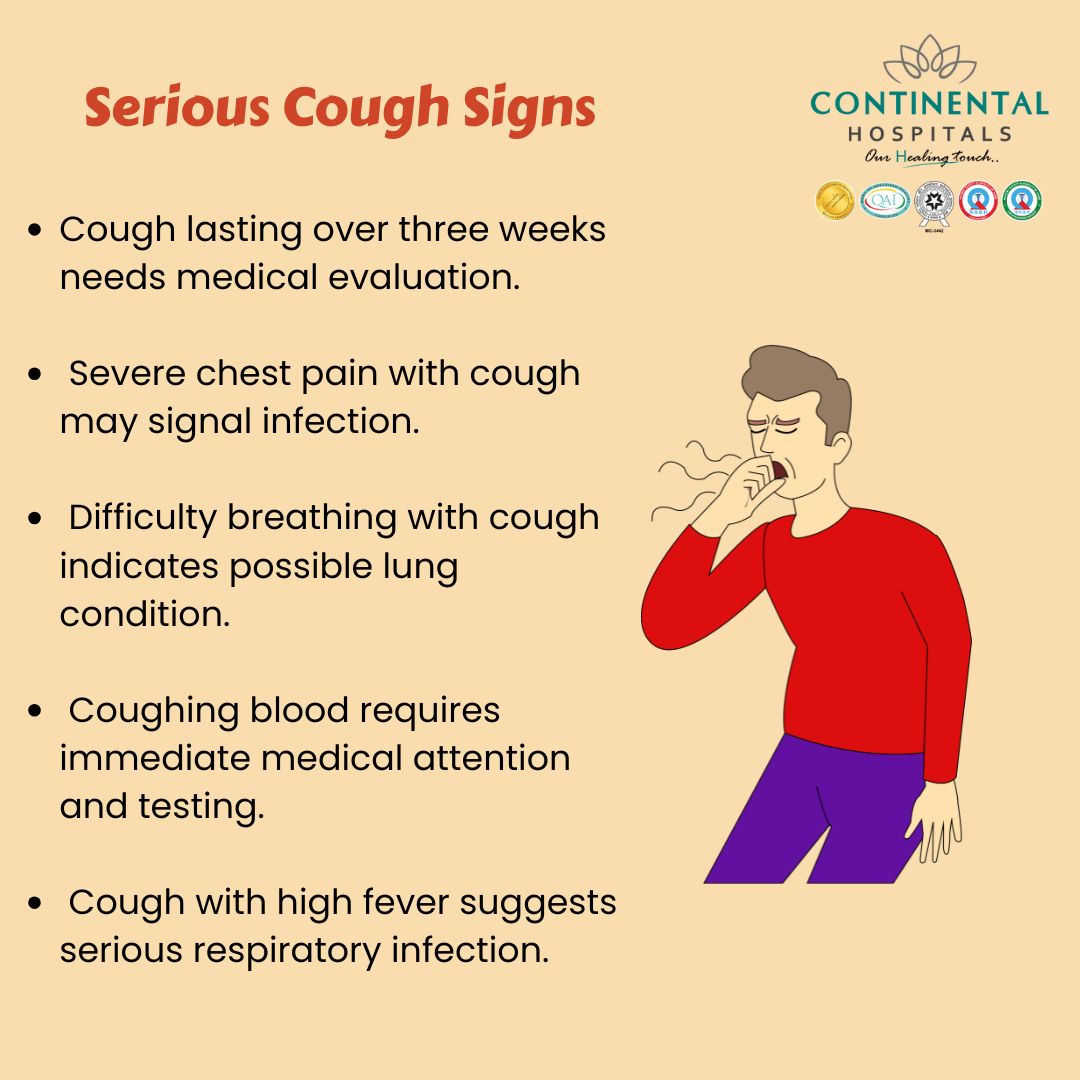
Serious cough warning signs include:
• Cough lasting more than 3 weeks
• Cough with chest pain
• Cough and shortness of breath
• Coughing blood causes concern and requires immediate evaluation
• High fever and cough that does not improve
• Unexplained weight loss
• Extreme fatigue
If you notice any of these symptoms, you should not delay seeking medical care.
Persistent Cough Symptoms and What They Mean?
A persistent cough may be a symptom of an underlying condition. For example:
• Chronic cough treatment may be needed in asthma patients.
• Lung infection symptoms such as fever, chills, and mucus production suggest bacterial infection.
• Signs of pneumonia cough include chest pain, high fever, difficulty breathing, and thick sputum.
Ignoring these symptoms can lead to worsening infection and complications.
Cough With Chest Pain
Cough with chest pain is a concerning symptom. It may indicate inflammation in the lungs or lining of the chest. Infections such as pneumonia or bronchitis can cause this pain. Sometimes, severe coughing strains chest muscles, causing soreness. However, if the pain is sharp, persistent, or associated with breathlessness, immediate evaluation is required.
Cough and Shortness of Breath
Cough and shortness of breath together can indicate serious respiratory conditions. These may include:
• Asthma attacks
• Severe lung infections
• Pulmonary embolism
• Advanced pneumonia
Difficulty breathing is never a symptom to ignore. Immediate medical attention ensures timely diagnosis and treatment.
Coughing Blood Causes
Coughing blood causes serious concern. Even small streaks of blood in sputum require medical assessment. Possible causes include:
• Severe infections
• Tuberculosis
• Lung injury
• Chronic lung diseases
Early evaluation can rule out dangerous conditions and ensure appropriate treatment.
High Fever and Cough
High fever and cough together often suggest bacterial infection. Signs of pneumonia cough include persistent fever, chills, chest discomfort, and weakness. Pneumonia requires prompt treatment to prevent complications, especially in elderly individuals and those with existing medical conditions.
Chronic Cough Treatment
Chronic cough treatment depends on identifying the root cause. Doctors may recommend:
• Antibiotics for bacterial infections
• Inhalers for asthma
• Anti allergy medications
• Acid reflux management
• Smoking cessation programs
Proper diagnosis is essential before starting treatment. Self medication without guidance may delay recovery.
When to See Doctor for Cough?
Many people ask, when to see doctor for cough? You should consult a specialist if:
• The cough persists beyond 3 weeks
• There is chest pain or breathlessness
• You experience coughing blood
• Fever remains high for several days
• Symptoms worsen instead of improving
Early consultation prevents complications and promotes faster recovery.
Why Early Diagnosis Matters?
A severe cough may sometimes signal lung infection symptoms or other serious respiratory conditions. Early diagnosis allows timely intervention and prevents progression to advanced disease. Imaging tests, blood tests, and pulmonary function tests help doctors determine the cause.
Ignoring symptoms can result in prolonged illness, reduced lung function, and complications.
Why Choose Continental Hospitals for Respiratory Care?
Continental Hospitals, Hyderabad, is recognized as the best hospital in Hyderabad for comprehensive respiratory and pulmonary care. The hospital is accredited by national and international healthcare quality bodies, ensuring strict standards in patient safety, clinical excellence, and advanced treatment protocols.
Key advantages of choosing Continental Hospitals include:
• Experienced pulmonologists and respiratory specialists
• Advanced diagnostic facilities including imaging and lung function testing
• Multidisciplinary team approach for complex cases
• State of the art intensive care support
• Patient centered treatment plans
The hospital follows evidence based medical practices and maintains high standards of infection control and safety.
Preventive Tips for Healthy Lungs
Maintaining lung health can reduce the risk of severe cough causes.
Follow these simple steps:
• Avoid smoking and secondhand smoke
• Maintain good hand hygiene
• Stay vaccinated against respiratory infections
• Exercise regularly to improve lung capacity
• Seek early treatment for infections
Simple preventive care can make a significant difference.
Conclusion
A cough may seem harmless at first, but persistent cough symptoms should never be ignored. Severe cough causes range from mild infections to serious lung conditions. Knowing when to worry about a cough and recognizing serious cough warning signs such as chest pain, breathlessness, high fever, and coughing blood can save lives.
If you suffer from cough lasting more than 3 weeks, cough with chest pain, cough and shortness of breath, or any concerning symptoms, consult our best Pulmonologist at Continental Hospitals, Hyderabad. Early diagnosis, expert care, and advanced treatment can protect your lungs and restore your health with confidence.
Related Blog Topics