.webp)

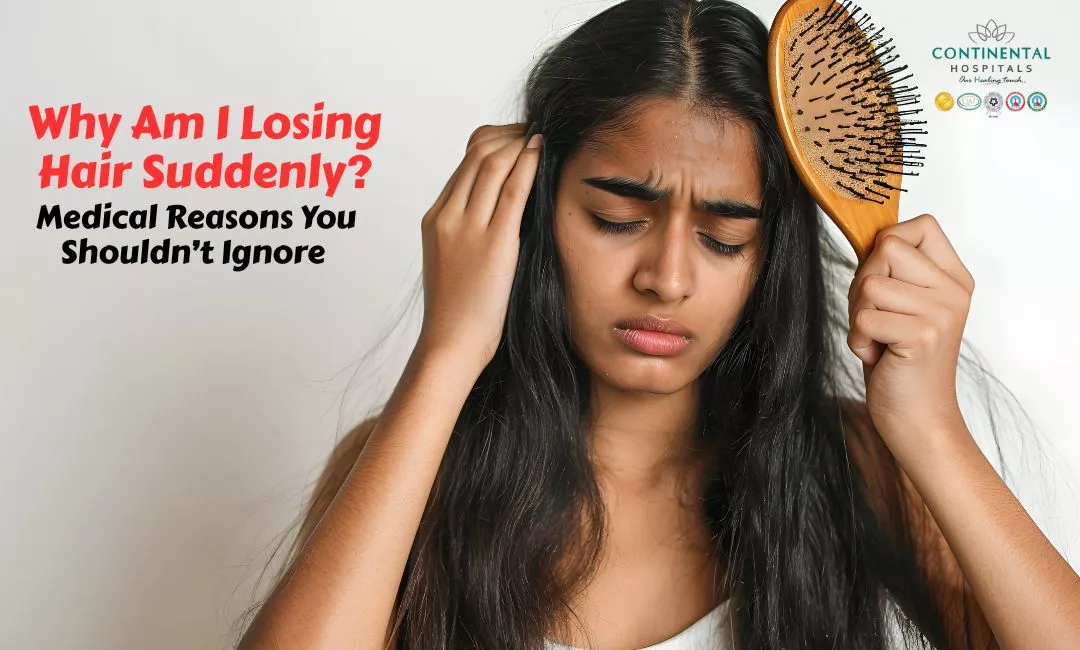
Hair loss can feel frightening when it happens suddenly. You may notice more hair on your pillow, in the shower drain, or while combing. Sudden hair thinning can affect both men and women and often raises serious concerns about health. While some hair fall is normal, sudden hair loss may signal an underlying medical issue that should not be ignored.
At Continental Hospitals, known as one of the best hospitals in Hyderabad, our specialists help identify the real causes of hair loss and provide advanced hair loss treatment with a patient-focused approach.
How Much Hair Fall Is Normal?
Losing fifty to one hundred strands per day is considered normal. Hair grows in cycles that include growth, rest, and shedding phases. When this cycle is disturbed, hair loss causes become more noticeable and sometimes severe.
If you are experiencing sudden hair loss or visible thinning, it is important to understand the possible medical reasons behind it.
Visit our dermatology department today and consult with our best dermatologist—take the first step toward healthier hair and better overall well-being.
Common Medical Causes of Hair Loss
1. Hormonal Imbalance
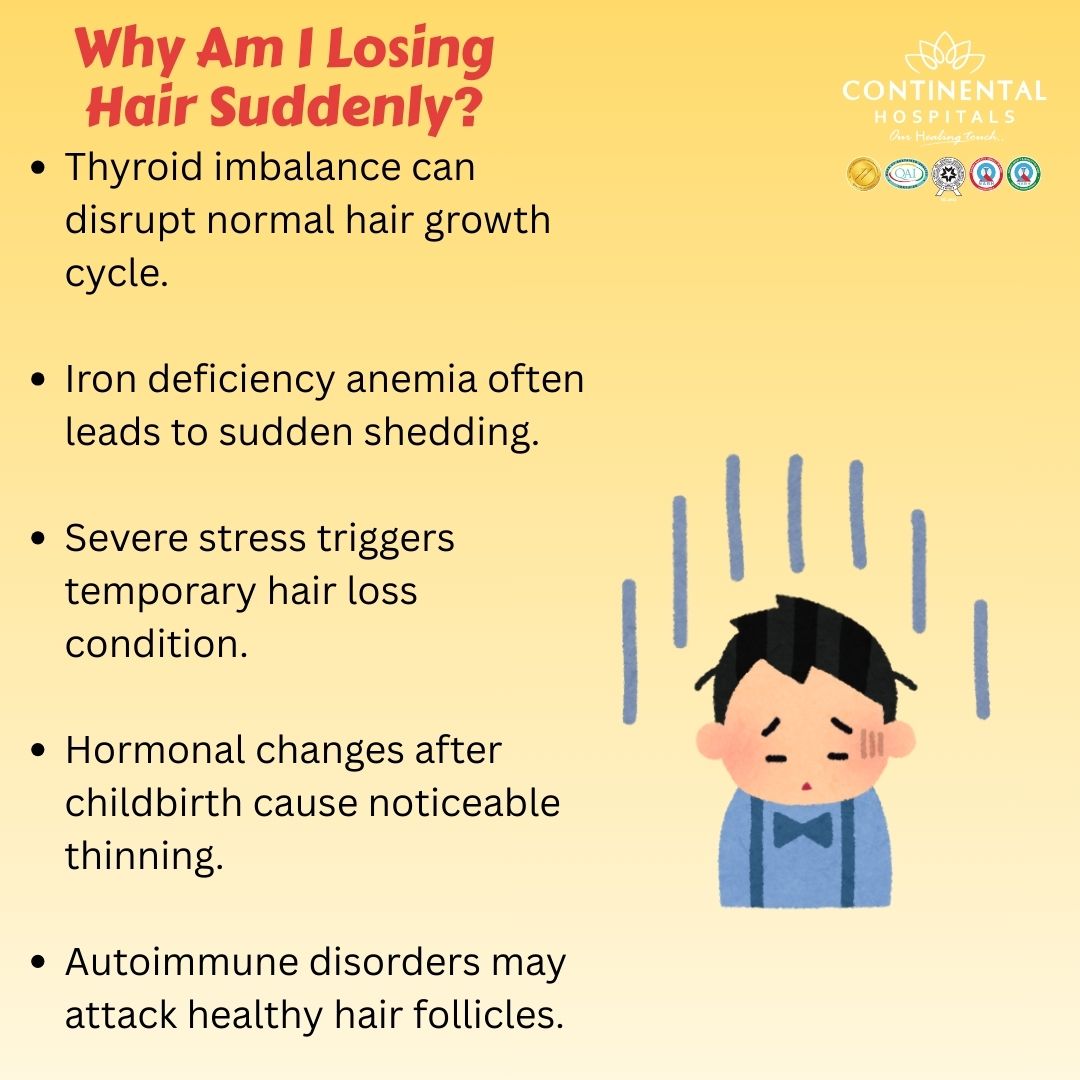
Hormonal hair loss is one of the leading causes of hair loss in both men and women. Hormones control many body functions, including hair growth.
Common hormonal reasons include:
• Thyroid disorders
• Polycystic ovary syndrome
• Pregnancy and post-delivery changes
• Menopause
• Testosterone-related hair loss in men

Hair loss in women is often linked to thyroid problems or hormonal changes during pregnancy and menopause. Hair loss in men is commonly associated with androgenetic alopecia, a hereditary condition influenced by male hormones.
2. Nutritional Deficiencies
Your hair needs proper nutrition to grow strong and healthy. Deficiencies in certain vitamins and minerals can lead to sudden hair thinning.
Key nutrients linked to hair loss include:
• Iron deficiency
• Vitamin D deficiency
• Vitamin B12 deficiency
• Protein deficiency
• Zinc deficiency
If your diet lacks these nutrients, your hair follicles may become weak, leading to noticeable hair fall.
3. Stress and Emotional Trauma
Severe emotional stress, illness, surgery, or sudden weight loss can trigger a condition called telogen effluvium. In this condition, a large number of hair follicles enter the resting phase at the same time, resulting in sudden hair loss.
This type of hair loss may appear two to three months after the stressful event. Though often temporary, medical evaluation is important to rule out other serious hair loss causes.
4. Autoimmune Conditions
Autoimmune diseases occur when the body’s immune system attacks its own tissues. In some cases, hair follicles are targeted, leading to hair loss.
One example is alopecia areata, where round patches of hair fall out suddenly. Early diagnosis improves the chances of effective hair loss treatment.
5. Scalp Infections
Fungal infections of the scalp can damage hair roots and lead to hair fall causes that require immediate treatment. Symptoms may include itching, redness, scaling, or patchy hair loss.
Proper medical diagnosis ensures targeted hair loss treatment and prevents permanent damage.
6. Chronic Medical Conditions
Certain long-term health problems can also trigger hair loss. These include:
• Diabetes
• Lupus
• Severe anemia
• Liver disease
• Kidney disorders
Managing the underlying disease is essential to control hair loss and support regrowth.
7. Medications and Medical Treatments
Some medicines may cause sudden hair thinning as a side effect. These include medications for:
• Blood pressure
• Depression
• Arthritis
• Heart conditions
• Cancer treatment
If you notice hair loss after starting a new medicine, consult your doctor. Never stop medication without medical advice.
Hair Loss in Men and Women: Is It Different?
Hair loss in men often follows a pattern that begins with a receding hairline or thinning at the crown. This is usually genetic and linked to hormonal hair loss.
Hair loss in women typically presents as overall thinning rather than bald patches. Sudden hair loss in women may also be connected to iron deficiency or thyroid disorders.
Understanding the pattern helps doctors identify accurate hair loss causes and suggest proper hair loss treatment.
When Should You See a Doctor?
Consult a specialist if you notice:
• Sudden hair loss within weeks
• Hair coming out in clumps
• Bald patches
• Scalp pain or itching
• Hair thinning along with fatigue or weight changes
These signs may indicate an underlying medical condition requiring immediate attention.
How Is Hair Loss Diagnosed?
At Continental Hospitals, our dermatologists and trichologists conduct detailed evaluations to identify the causes of hair loss.
Diagnosis may include:
• Physical scalp examination
• Blood tests for hormonal and nutritional levels
• Thyroid function tests
• Microscopic hair analysis
• Scalp biopsy if required
Accurate diagnosis ensures effective hair loss treatment tailored to each patient.
Treatment Options for Hair Loss
Hair loss treatment depends on the root cause. Once the cause is identified, treatment can significantly improve hair growth.
Common treatment options include:
• Nutritional supplements
• Hormone-balancing medications
• Topical treatments
• Oral medications
• Platelet-rich plasma therapy
• Advanced dermatological procedures
There is no single hair loss cure that works for everyone. The right approach depends on your health condition and medical history.
Early intervention increases the chances of controlling hair loss and restoring healthy hair growth.
Can Hair Grow Back After Sudden Hair Loss?
In many cases, yes. If the underlying cause is treated early, hair regrowth is possible. Nutritional deficiencies, stress-related hair loss, and thyroid-related hair loss often improve with proper treatment.
However, genetic hair loss may require long-term management. Consulting a specialist ensures you receive the most appropriate hair loss treatment plan.
Why Choose Continental Hospitals for Hair Loss Treatment?
Continental Hospitals is widely recognized as one of the best hospitals in Hyderabad for comprehensive and advanced healthcare services.
Here is why patients trust Continental Hospitals:
• NABH- and NABL-accredited hospital ensuring high standards of care
• International quality protocols and patient safety systems
• Experienced dermatologists and endocrinologists
• Advanced diagnostic laboratory services
• Multidisciplinary approach for complex hair loss causes
• Personalized treatment plans
• State-of-the-art infrastructure and modern technology
Our team works closely with specialists from dermatology, endocrinology, internal medicine, and nutrition to provide complete care for hair loss.
We focus not only on symptom relief but also on identifying and treating the root cause.
Preventive Tips to Reduce Hair Fall Causes
While medical treatment is important, lifestyle changes can support healthy hair growth.
Follow these tips:
• Eat a balanced diet rich in protein and iron
• Manage stress through relaxation techniques
• Avoid harsh chemical treatments
• Do not tie hair too tightly
• Maintain scalp hygiene
• Get regular health checkups
These measures can help reduce sudden hair thinning and support long-term hair health.
Conclusion
Sudden hair loss should never be ignored. It may be your body’s way of signaling hormonal imbalance, nutritional deficiency, stress, or a medical condition. Early evaluation helps identify hair loss causes and improves treatment outcomes.
If you are experiencing sudden hair loss, hair loss in men, hair loss in women, or persistent hair thinning, consult a specialist without delay.
Consult with our best dermatologist today and take the first step toward healthier hair and better overall well-being.
Your hair health matters. Timely medical care can make all the difference.
Related Blog Topics: