.webp)

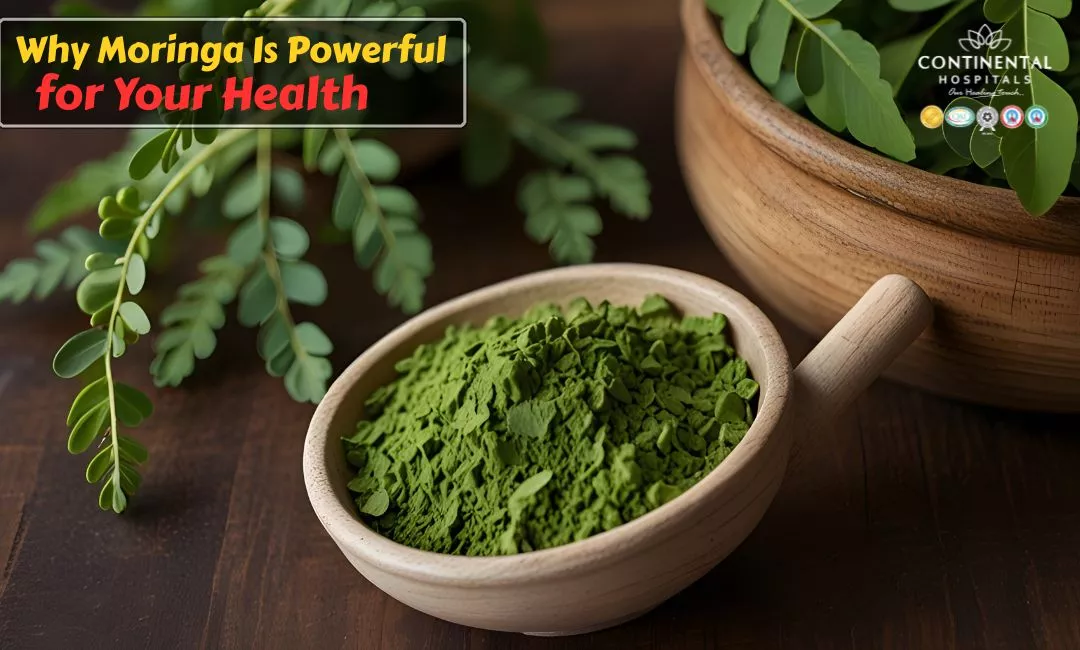
Moringa, also called the drumstick tree, has been celebrated for centuries for its extraordinary nutritional value and health benefits. Known as a superfood, every part of the moringa tree—from leaves to seeds—offers significant advantages for overall wellness. In this article, we explore the health benefits of moringa, how it works in your body, and tips to include it in your daily routine.
What Is Moringa?
Moringa is a fast-growing, drought-resistant tree native to parts of India and Africa. Its leaves, pods, and seeds are rich in essential nutrients, vitamins, and antioxidants. The most commonly consumed form is moringa powder, made from dried and crushed moringa leaves. This powder can easily be added to smoothies, teas, and meals, making it a versatile addition to your diet.
Visit our Nutritionist Department at Continental Hospitals for personalized supplement advice, expert guidance, and trusted care for better health.
Nutritional Profile of Moringa
Moringa is packed with vitamins and minerals that support your health. Some key nutrients found in moringa include:
- Vitamin A for vision and immune support
- Vitamin C for skin health and immunity
- Calcium for strong bones
- Potassium for heart and muscle function
- Iron to support healthy blood
The high concentration of antioxidants in moringa helps protect the body from oxidative stress and inflammation. This makes moringa a natural ally in promoting overall health and wellbeing.
Moringa Benefits for Health
1. Supports Immunity
Moringa leaves are rich in vitamins and minerals that strengthen your immune system. Regular consumption can help the body fight off infections and stay healthy.
2. Improves Digestive Health
Moringa contains natural fiber that aids digestion and prevents constipation. Moringa powder can be a gentle addition to your diet to maintain digestive balance.
3. Boosts Energy and Stamina
The combination of vitamins, minerals, and amino acids in moringa helps increase energy levels naturally. People who include moringa in their diet often report feeling more alert and active throughout the day.

4. Supports Heart Health
Moringa has compounds that may help regulate cholesterol and blood pressure. Including moringa in your diet supports cardiovascular health and reduces the risk of heart problems.
5. Enhances Skin and Hair Health
Vitamin C and antioxidants in moringa promote collagen production and skin repair. Regular intake can help maintain healthy skin, reduce signs of aging, and support hair strength and growth.
6. Helps Manage Blood Sugar Levels
Some studies suggest that moringa may help maintain healthy blood sugar levels. This can be particularly helpful for people with prediabetes or diabetes.
7. Supports Bone Strength
Moringa leaves are a good source of calcium and phosphorus, essential for maintaining strong and healthy bones. This makes moringa especially beneficial for growing children and aging adults.
How to Use Moringa Powder
Moringa powder is one of the easiest ways to include this superfood in your daily routine. Here are some practical methods:
- Add a teaspoon of moringa powder to your morning smoothie
- Mix moringa powder into warm water or herbal tea
- Sprinkle moringa powder over salads or soups
- Include moringa powder in homemade energy bars or snacks
It is important to start with small amounts and gradually increase as your body adjusts. Moderation ensures you experience the health benefits without discomfort.
Benefits and Side Effects of Moringa
While moringa is generally safe for most people, it is important to be aware of potential side effects. Consuming moringa in excessive amounts may cause mild digestive issues such as nausea or diarrhea. Pregnant women should consult a doctor before using moringa in large doses, as certain parts of the moringa tree may have uterine effects.
Being mindful of recommended doses ensures you enjoy the benefits of moringa safely. Understanding both moringa benefits and side effects helps you make informed choices for your health.
Why Choose Continental Hospitals for Guidance on Health Supplements?
At Continental Hospitals, we prioritize patient safety and evidence-based care. Our team of experts in nutrition, internal medicine, and preventive healthcare can guide you on safe ways to incorporate moringa and other health supplements into your routine. Continental Hospitals is accredited by national healthcare authorities for excellence in patient care and safety standards. Our state-of-the-art facilities and experienced specialists ensure every patient receives personalized attention and guidance.
Quick Points About Moringa
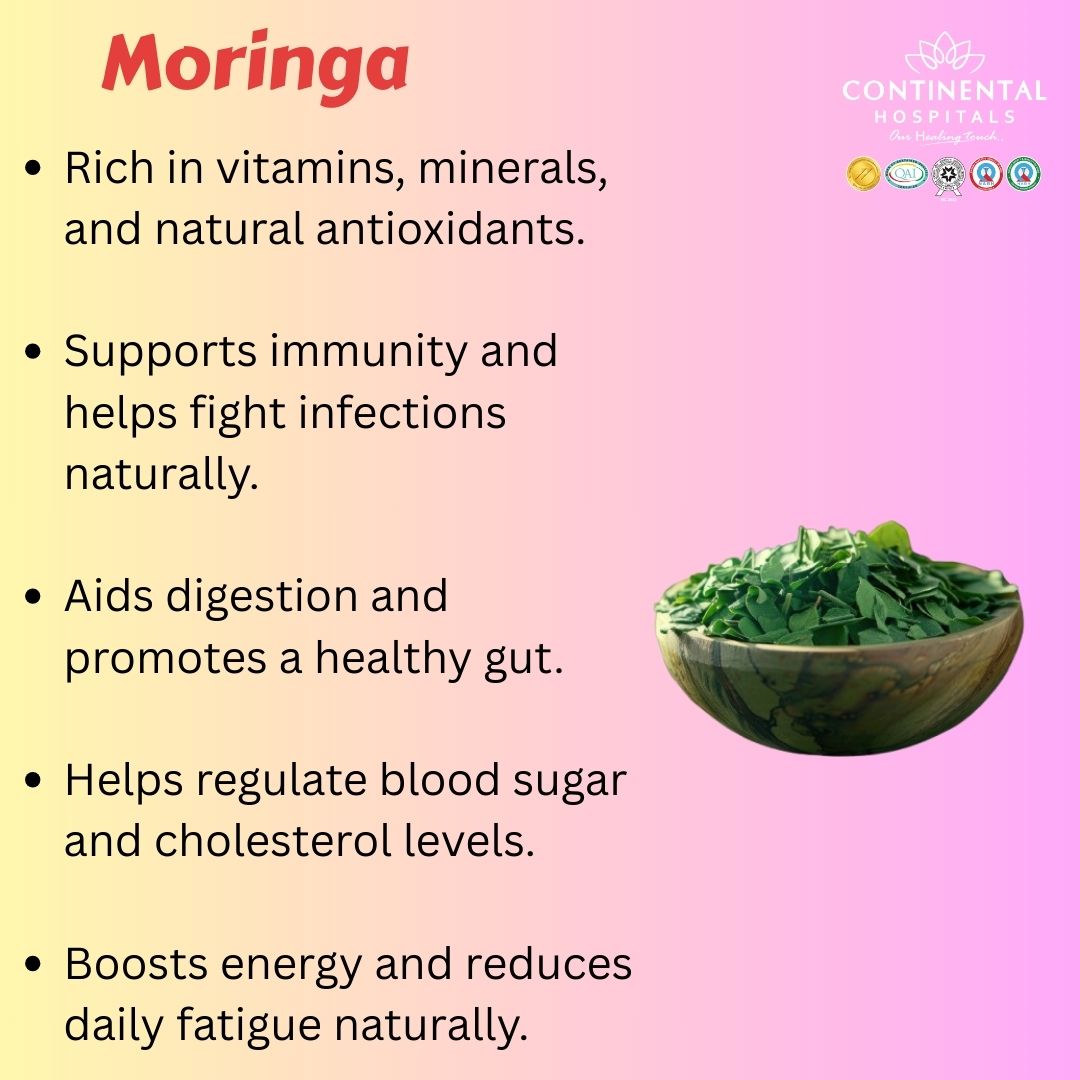
- Moringa is rich in vitamins, minerals, and antioxidants
- Moringa powder is versatile and easy to include in daily meals
- Supports immunity, energy, heart health, and bone strength
- May help maintain healthy blood sugar and cholesterol levels
- Side effects are rare but excessive intake should be avoided
Incorporating Moringa Into Daily Life
Adding moringa to your diet does not need to be complicated. You can start by including a small amount in your meals or drinks. Gradually, you may notice improvements in your energy, digestion, and overall wellbeing. Always choose high-quality moringa products or consult a healthcare professional to ensure safety and effectiveness.
Conclusion
Moringa is a powerful superfood that offers a wide range of health benefits. From improving immunity and heart health to supporting skin, hair, and bone strength, it is an excellent addition to a balanced diet. Understanding both the benefits and potential side effects ensures safe consumption.
If you are considering adding moringa or other dietary supplements to your routine, it is best to consult an expert. At Continental Hospitals, consult our best nutritionists to provide guidance tailored to your needs. With our accredited facilities and experienced medical team, you can make informed choices for your health and wellbeing.
Related Blog Topics: