.webp)


Physical activity is often celebrated as the ultimate remedy for various health concerns. From improving cardiovascular health to enhancing mental clarity, the benefits of staying active are undeniable. However, the modern pursuit of fitness can sometimes lead individuals into the trap of over-exercising. While movement is essential, pushing the body beyond its natural limits without adequate recovery can result in serious physiological and psychological setbacks.
Understanding the Risks of Too Much Exercise
Exercise acts as a positive stressor on the body. When we work out, we create tiny tears in our muscles and challenge our heart and lungs. It is during the recovery phase that the body repairs this damage, making us stronger and more resilient. When the balance between exertion and rest is lost, the body enters a state of chronic stress. This phenomenon is often referred to as overtraining syndrome.
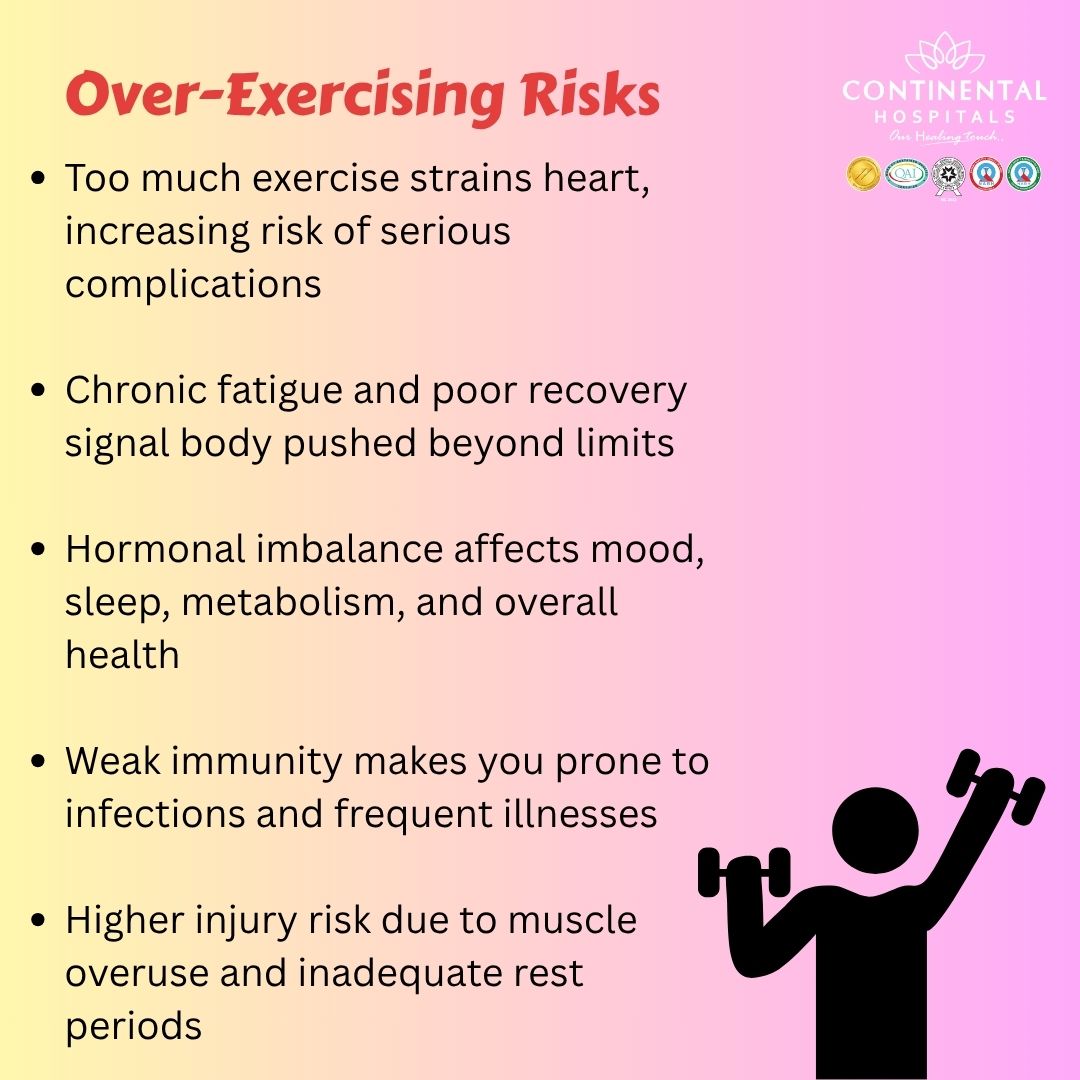
Overtraining syndrome occurs when an athlete or fitness enthusiast ignores signs of fatigue and continues to train at high intensities. Instead of seeing improvements in performance, the individual may notice a significant decline. Chronic fatigue, persistent muscle soreness, and a lack of motivation are common early indicators that the body is struggling to keep up with the physical demands being placed upon it.
Visit our general physician department today for expert care on exercise-related injuries and health concerns.
Common Over-Exercising Side Effects
The physical manifestations of excessive workout effects are broad and can impact nearly every system in the body. One of the most immediate consequences is the increased risk of musculoskeletal injuries. Overusing specific muscle groups or joints without giving them time to heal leads to stress fractures, tendonitis, and chronic ligament strains.
Beyond the muscles and bones, over-exercising can disrupt the hormonal balance. For many, too much exercise leads to elevated levels of cortisol, the body’s primary stress hormone. High cortisol levels over a long period can lead to weight gain around the midsection, sleep disturbances, and a weakened immune response. Individuals who train excessively often find themselves catching colds or infections more frequently because their body is too exhausted to defend itself.
For women, excessive physical activity can lead to a condition known as the female athlete triad. This involves a combination of low energy availability, menstrual dysfunction, and decreased bone mineral density. When the body perceives it is under constant physical duress without enough caloric intake or rest, it may shut down non-essential functions like reproductive cycles to conserve energy.
The Psychological Impact and Exercise Addiction Risks
The risks of over-exercising are not limited to physical health. Mental health is equally at stake. Exercise addiction is a very real concern where the individual feels a compulsive need to work out, often to the point of neglecting social obligations, work, or personal relationships. When a person is unable to exercise, they may experience intense feelings of guilt, anxiety, or irritability.

Furthermore, the mental fatigue associated with overtraining syndrome can lead to symptoms that mirror clinical depression. A loss of interest in once-enjoyed activities, a constant state of brain fog, and a volatile mood are all signs that the central nervous system is overtaxed. Instead of being a tool for stress relief, the workout becomes the primary source of stress.
Recognizing Overtraining Syndrome
How do you know if you have crossed the line? Identifying the signs early can prevent long-term damage. Key indicators include?
- An elevated resting heart rate in the morning.
- Persistent insomnia or poor sleep quality despite being physically exhausted.
- A sudden drop in athletic performance or strength.
- Chronic joint pain that does not improve with standard rest.
- A lack of appetite or sudden weight loss.
- Feeling drained rather than energized after a workout session.
Finding the Right Balance
The key to a long and healthy fitness journey is moderation. Experts generally recommend a mix of high-intensity training, moderate activity, and dedicated rest days. Incorporating "active recovery" like gentle walking or stretching can help maintain mobility without putting further strain on the heart or nervous system. Listening to your body is the most important skill any fitness enthusiast can develop. If you feel a sharp pain or overwhelming lethargy, it is a signal from your body that it needs time to repair.
Why Choose Continental Hospitals for Your Health Journey?
When physical goals lead to unexpected health complications, seeking expert medical guidance is crucial. Continental Hospitals is recognized as a premier destination for healthcare, standing out as a leading facility for those seeking the best hospital in Hyderabad. Our commitment to patient safety and clinical excellence is backed by global standards.
Accreditations and Excellence
Continental Hospitals holds prestigious accreditations from the Joint Commission International (JCI) and the National Accreditation Board for Hospitals & Healthcare Providers (NABH). These certifications ensure that every patient receives care that meets the highest international benchmarks for safety and quality. Our facility is designed to provide a healing environment equipped with the latest medical technology.
Comprehensive Sports Medicine and Rehabilitation
For those suffering from the effects of over-exercising, our sports medicine and physiotherapy departments offer specialized care. We focus on non-invasive recovery techniques, nutritional counseling, and personalized fitness plans that prioritize long-term health over short-term gains. Our multidisciplinary team works together to ensure that you return to your active lifestyle safely and sustainably.
Conclusion
Exercise should be a celebration of what your body can do, not a punishment for what you ate or a way to escape emotional distress. While staying active is vital for longevity, respecting the need for rest is what allows for true progress. By recognizing the excessive workout effects and understanding the health risks of too much exercise, you can create a sustainable routine that supports your well-being for years to come.
If you find that your fitness journey has led to persistent pain, hormonal imbalances, or chronic fatigue, it is important to consult with a professional. Early intervention can prevent minor injuries from becoming lifelong challenges.
If you suffer from persistent joint pain, unexplained fatigue, or any symptoms related to over-exercising, Consult our Best General Physician today if you suffer from exercise-related injuries or health concerns.
Related Blog Topics: