post-title

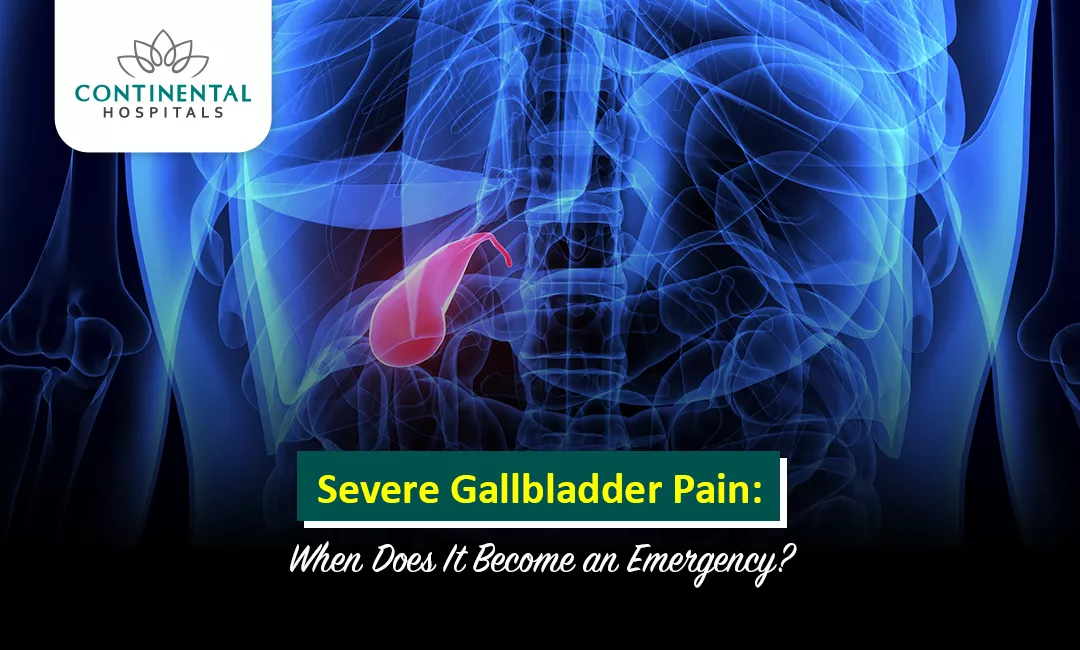
Severe Gallbladder Pain: When Does It Become an Emergency?

Written by - Editorial Team
Medically Reviewed by - Dr Ramesh Reddy Avula

Severe gallbladder pain is definitely not something to be ignored, particularly if the pain comes on suddenly or lasts for a couple of hours. A gallbladder is a little organ resembling a pear shape found in the upper part of your abdomen, below the liver. A gallbladder holds a digestive juice known as bile, which aids in digesting fat. Gallstones can block the natural flow of bile from the gallbladder and result in severe pain and digestive issues.

So how do we know when to seek medical attention in cases of ordinary gallbladder pain? Severe gallbladder pain could be a sign of gallstones, gallbladder inflammation or an infection. Gallbladder conditions like acute cholecystitis can worsen without prompt care. Understanding signs of a gallbladder attack will ensure that no complications occur.

What Are the Common Symptoms of a Gallbladder Attack?

What are the signs that you need to look out for if you suspect a problem with your gallbladder? A blockage of the bile duct by a gallstone typically causes symptoms associated with a gallbladder attack.

The common symptoms are:

1. Sudden Abdominal Pain: Pain is experienced in the upper right portion of the abdomen and can be intense.
2. Postprandial Pain: This occurs after consuming fatty foods.
3. Pain Traveling to the Back: Pain travels to the back region or the right shoulder blade.
4. Nausea and Vomiting: The patient experiences nausea and repeated bouts of vomiting.
5. Upper Right Abdominal Tenderness: Pain on touch of the upper right abdomen.
6. Bloating and Indigestion: Feeling bloated or indigestion after consuming food.

This condition lasts anywhere between several minutes to several hours.

Visit the gastroenterology specialist doctors at Continental Hospitals, Hyderabad, for expert digestive and liver care.

When Is Severe Gallbladder Pain an Emergency?

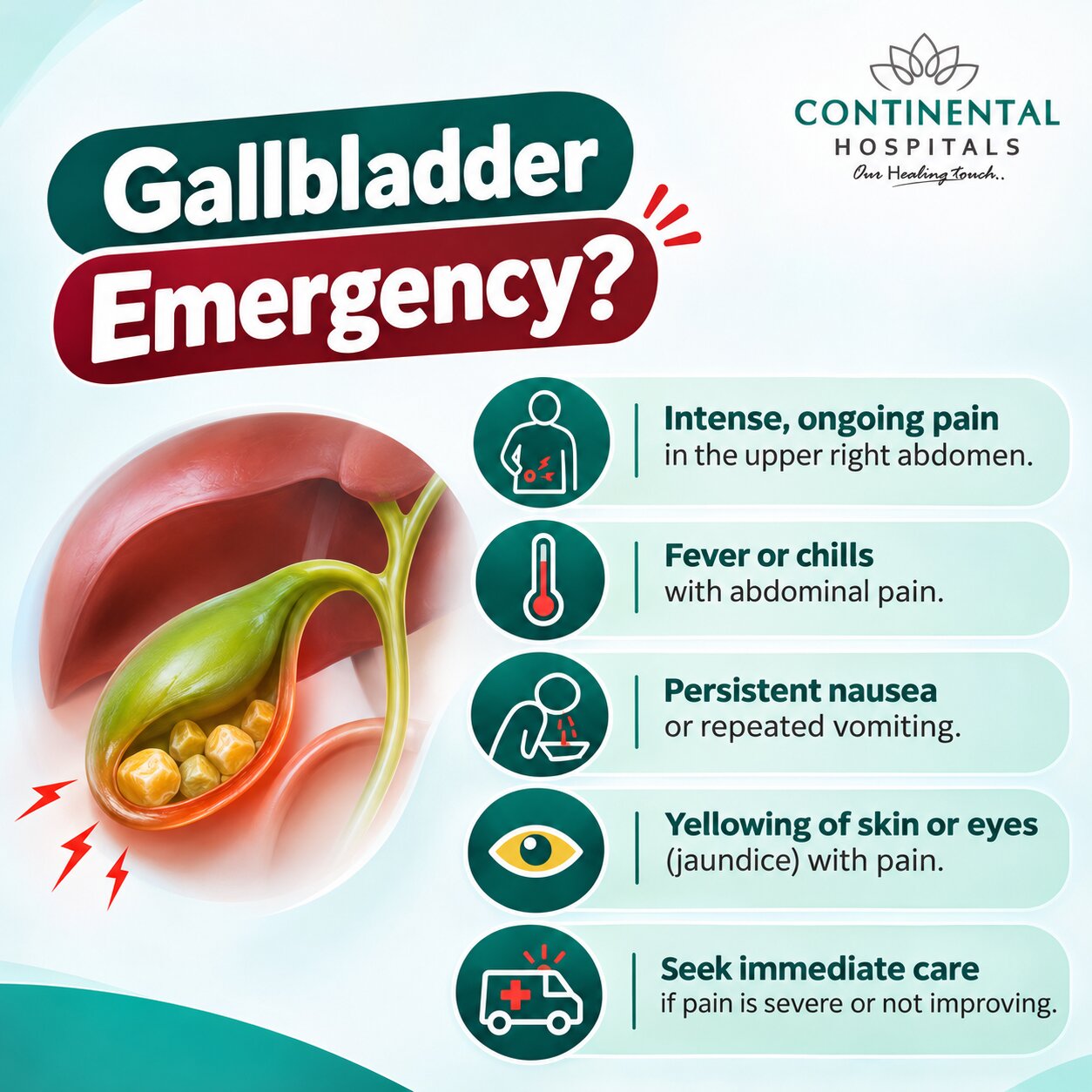
What are the situations when you should see an urgent doctor for gallbladder pain? You need to consider gallbladder inflammation, infection, or blocking of the bile ducts if the pain is severe and persistent.

When should you visit your doctor immediately?

Second Opinion

  • If you have severe abdominal pain that persists for several hours.
  • If fever or chills accompany abdominal pain.
  • If you notice the yellowness of your skin and eyes – jaundice.
  • When you repeatedly experience nausea and vomiting.
  • When your urine becomes dark and your stools become paler.
  • When you feel severe tenderness in your upper right abdomen.
  • When you suddenly feel a worsening of your previous gallbladder pain symptoms.
Why Does Gallbladder Inflammation Occur?

When does gallbladder inflammation take place? It is a condition called cholecystitis and is caused by a gallstone blocking the cystic duct resulting in an inability to drain bile normally.

The causes may be:

  • Gallstones: hardened deposits of digestive fluid that block bile drainage.
  • Blockage of the Bile Ducts: which leads to the accumulation of bile in the gallbladder.
  • Bacterial Infection: may occur in some instances.
  • Gallbladder Not Working Properly: Poor gallbladder drainage may contribute to inflammation.
  • Other Illnesses: Certain illnesses may result in gallbladder inflammation without the presence of gallstones.

An acute cholecystitis case needs immediate medical help, as an untreated condition may cause dangerous complications.

Severe Gallbladder Pain: How Is It Diagnosed?

What are the methods used by physicians to diagnose the causes of severe gallbladder pain? Diagnosis generally includes analyzing your symptoms, past medical history, physical exam, and any further tests that may be needed.

Doctors can use:

1. Ultrasound: To diagnose the presence of gallstones, thickened walls of the gallbladder, and inflammation.
2. Blood Tests: To reveal any signs of infections or inflammation in your body.
3. Liver Function Test: To check for any problems related to liver functioning.
4. Further imaging techniques: Like CT scans and others.

Early diagnosis will help doctors assess the severity of the case and prescribe treatment.

Need an Appointment?

What Are the Treatment Options for Severe Gallbladder Pain?

Is it possible to treat severe gallbladder pain? Yes. Treatment options depend on the underlying cause, the level of inflammation, and the general health status of the patient.

Some of the typical treatment options are:

  • Medication: Pain relief medication along with other prescribed medication may come in handy.
  • Antibiotics: Will be needed if there is a suspicion of a bacterial infection.
  • Admission to Hospital: Admission to the hospital may be necessary if there is acute cholecystitis.
  • Surgery: Cholecystectomy is a common recommendation if there are symptomatic gallstones and acute cholecystitis.
  • Other treatment: In cases when gallstones block the common bile duct endoscopic treatment will be necessary.

The choice of the best treatment method depends on the treating specialist.

Why Opt for Continental Hospitals for Gallbladder Treatment?

Why is opting for an experienced hospital essential in case of gallbladder diseases? Issues like gallstones and acute cholecystitis demand proper diagnosis, treatment, and suitable surgical skills.

Continental Hospitals at Hyderabad offers an all-in-one solution in the field of gastroenterology and hepatology with the help of qualified doctors, advanced diagnostics, surgical equipment, and multidisciplinary knowledge.

The hospital is accredited at the national and international level through Joint Commission International (JCI) and National Accreditation Board for Hospitals and Healthcare Providers (NABH).

Thanks to the advanced diagnostics and treatment plans offered by the hospital, Continental Hospitals ensures treatment of the gallbladder disorders and care of the patients.

Conclusion

Gallbladder pain that is severe in nature can mean more than just having a temporary digestive system ailment. Severe upper abdominal pain, fever, vomiting, jaundice, and continuous pain may be a sign of gallbladder inflammation or bile duct obstruction. Diagnosis of the condition early and receiving the right treatment can go a long way towards preventing future problems.

If you are suffering from any of these symptoms or any severe abdominal pain, consult our best gastroenterologist in Hyderabad at Continental Hospitals, Hyderabad, which is highly recommended. Timely medical attention can go a long way towards safeguarding your digestive health.

Related Blogs:

  1. What Size Of Gallbladder Stones Need Surgery?
  2. How to Diagnose Gallbladder Stones: Tests and Procedures

Frequently Asked Questions

Severe gallbladder pain is commonly caused by gallstones blocking the flow of bile. This blockage can cause pressure and inflammation inside the gallbladder. The condition is known as biliary colic when the pain occurs due to temporary blockage. If the blockage continues, it may lead to acute cholecystitis. Gallbladder inflammation can cause intense pain in the upper right abdomen. The pain may also spread towards the back or right shoulder. Eating fatty or oily foods can sometimes trigger an episode. Other possible causes include gallbladder infection and bile duct obstruction. Some patients may experience nausea, vomiting and abdominal tenderness. The pain may last for several hours instead of settling quickly. Ignoring repeated episodes can increase the risk of complications. Medical evaluation helps identify the underlying cause. Consult a gastroenterologist if you experience persistent or severe abdominal pain.
Gallbladder pain becomes a medical emergency when it is severe, persistent or accompanied by warning signs. Pain lasting several hours should not be ignored. A high fever or chills may indicate an infection. Yellowing of the skin or eyes can suggest a bile duct blockage. Persistent vomiting can lead to dehydration and requires medical attention. Severe tenderness in the upper right abdomen is another warning sign. Pain spreading towards the back may sometimes indicate complications such as pancreatitis. Sudden worsening of abdominal pain needs immediate evaluation. Confusion, fainting or extreme weakness can indicate a serious condition. These symptoms should never be managed only with home remedies. Delaying treatment may increase the risk of infection or other complications. Seek emergency medical care if you experience these warning signs. Early diagnosis and treatment can help prevent serious health problems.
A gallbladder infection or inflammation can develop when gallstones block the normal flow of bile. One of the most common symptoms is persistent pain in the upper right abdomen. The pain may become worse when taking a deep breath or moving. Fever and chills may indicate an infection. Nausea and vomiting are also common symptoms. Some patients experience loss of appetite and abdominal bloating. The abdomen may feel tender when touched. Pain may spread towards the right shoulder or back. In severe cases, the infection can lead to complications such as an abscess or gallbladder perforation. Yellowing of the eyes or skin may indicate associated bile duct obstruction. Symptoms should not be ignored or treated without medical advice. Doctors may recommend blood tests and an abdominal ultrasound. Early medical treatment helps reduce the risk of serious complications.
Yes, gallstones can cause sudden and intense abdominal pain. These stones develop when substances in bile form hard deposits inside the gallbladder. Many people have gallstones without experiencing any symptoms. However, pain can occur when a stone blocks the gallbladder outlet. This condition is commonly called biliary colic. The pain usually develops in the upper right or middle abdomen. It may spread towards the back or right shoulder. Some people experience nausea and vomiting during an episode. Pain may begin after eating a heavy or fatty meal. An episode can last from several minutes to a few hours. Persistent pain may indicate gallbladder inflammation or another complication. An ultrasound can help identify gallstones. Consult a gastroenterologist if you experience repeated or severe abdominal pain. Appropriate treatment depends on the symptoms and underlying condition.
Doctors diagnose gallbladder pain by reviewing symptoms and performing a physical examination. They may ask about the location, duration and intensity of the pain. Previous episodes and digestive symptoms are also important. An abdominal ultrasound is commonly used to identify gallstones. It can also help detect gallbladder wall thickening and inflammation. Blood tests may be recommended to check for infection. Liver function tests help identify possible bile duct problems. Doctors may also check pancreatic enzymes if pancreatitis is suspected. In certain cases, additional imaging tests may be required. A CT scan or MRI may help evaluate complicated conditions. A specialised test called a HIDA scan may assess gallbladder function. The choice of investigation depends on the patient's symptoms. Accurate diagnosis helps doctors recommend appropriate treatment. Early assessment can prevent complications.
Gallbladder pain may sometimes settle when a gallstone temporarily stops blocking the bile flow. However, the underlying gallstones may still remain inside the gallbladder. This means the pain can return unexpectedly. Repeated episodes should be evaluated by a doctor. Persistent pain may indicate gallbladder inflammation or infection. Home remedies cannot remove existing gallstones. Avoiding fatty meals may help reduce symptoms in some people. However, dietary changes do not treat an existing blockage. Painkillers should only be taken according to medical advice. Fever, vomiting and jaundice require urgent medical attention. Delaying treatment can increase the risk of complications. Doctors may recommend monitoring or surgery depending on the condition. Do not assume that disappearing pain means the problem has resolved. Medical evaluation is important for long-term management.
Not every person with gallstones requires immediate gallbladder surgery. Treatment depends on the symptoms and severity of the condition. People with gallstones but no symptoms may only need medical monitoring. Repeated painful episodes may require surgical treatment. Doctors commonly recommend laparoscopic cholecystectomy for symptomatic gallstones. This procedure involves removing the gallbladder through small abdominal incisions. Surgery may also be necessary for acute gallbladder inflammation. In some emergency cases, antibiotics and other treatments may be required before surgery. Patients with bile duct stones may need an additional procedure called ERCP. The treatment plan depends on the location of the blockage and associated complications. Most people can live normally without a gallbladder. Bile continues to flow from the liver directly into the small intestine. A surgeon will explain the benefits and risks of the recommended procedure. Early consultation helps determine the most appropriate treatment.
Ignoring severe gallbladder pain can lead to serious health complications. A blocked gallbladder can become inflamed and infected. This condition is called acute cholecystitis. Without timely treatment, an infection may spread to surrounding tissues. In some cases, pus can collect inside the gallbladder. Severe inflammation may cause tissue damage or gallbladder perforation. A gallstone entering the common bile duct can cause obstructive jaundice. It may also lead to a serious infection of the bile ducts. Gallstones can sometimes trigger acute pancreatitis. These complications may require emergency treatment or surgery. Persistent fever, vomiting and severe abdominal pain should never be ignored. Early diagnosis can help prevent the condition from becoming life-threatening. Seek immediate medical attention if warning signs develop. Timely treatment supports safer recovery and better outcomes.
Disclaimer: The information provided in this blog is intended for general knowledge and informational purposes only, and does not constitute medical advice. Always consult with a qualified healthcare professional for any medical concerns or before making any decisions about your health.

Get in Touch With Us

Whether you are from India or abroad, we are here to help you with your medical queries. Please fill out the form below and our team will connect with you shortly.

  • ✔ Quick response from our medical experts
  • ✔ Secure data handling & privacy
  • ✔ Easy upload for reports & documents
banner_image

Chat with our medical experts on WhatsApp for quick assistance and hassle-free appointment booking

Recent Posts