.webp)

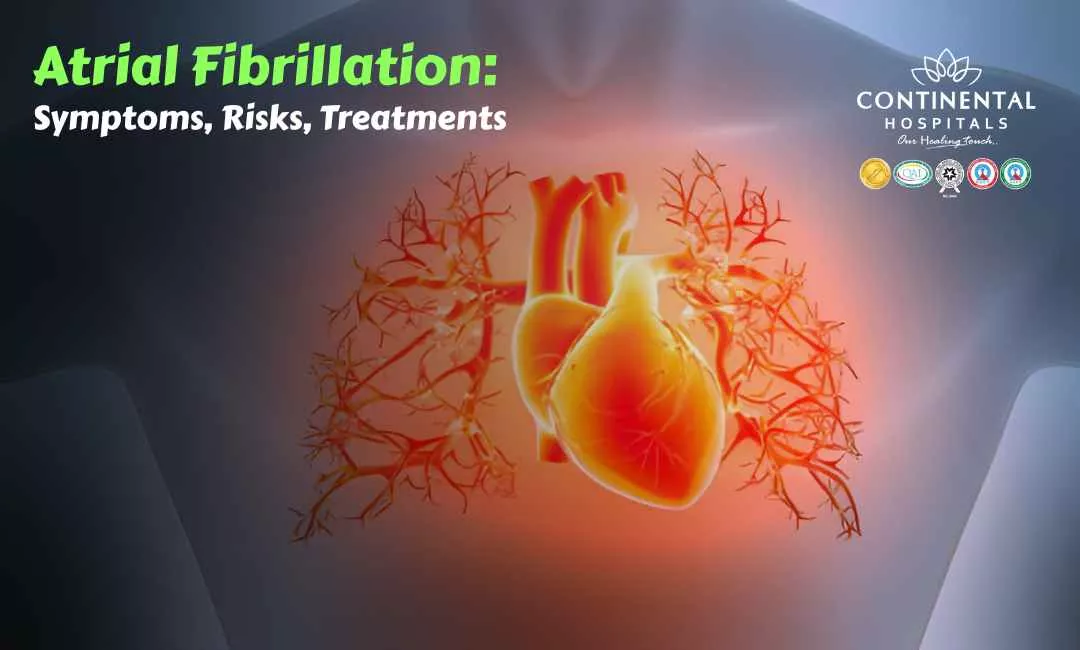
Atrial fibrillation, often called AFib, is one of the most common heart rhythm problems that affects millions of people worldwide. It occurs when the heart beats irregularly, leading to poor blood flow and increasing the risk of stroke and heart failure. Understanding its symptoms, causes, and treatment options can help prevent serious complications and ensure a healthier heart.
What is Atrial Fibrillation?
Atrial fibrillation is a condition where the upper chambers of the heart, called atria, beat irregularly and out of coordination with the lower chambers (ventricles). This irregular rhythm affects the heart’s ability to pump blood efficiently, which may lead to clots, stroke, or other heart-related problems.
In a normal heart rhythm, electrical signals follow a regular path through the heart. In atrial fibrillation, these signals become chaotic, causing the atria to quiver instead of contracting properly. This can result in a rapid or irregular heartbeat that patients often describe as a fluttering or racing heart.
Common Symptoms of Atrial Fibrillation
The symptoms of atrial fibrillation can vary from mild to severe. Some people may not experience any noticeable symptoms, while others may feel constant discomfort. Common signs include:
- Irregular or rapid heartbeat
- Palpitations or feeling like the heart is fluttering
- Shortness of breath even with minimal activity
- Fatigue or weakness
- Chest discomfort or pain
- Dizziness or light-headedness
If you notice these symptoms frequently, it’s important to consult a cardiologist immediately. Ignoring them can lead to serious complications such as stroke or heart failure.
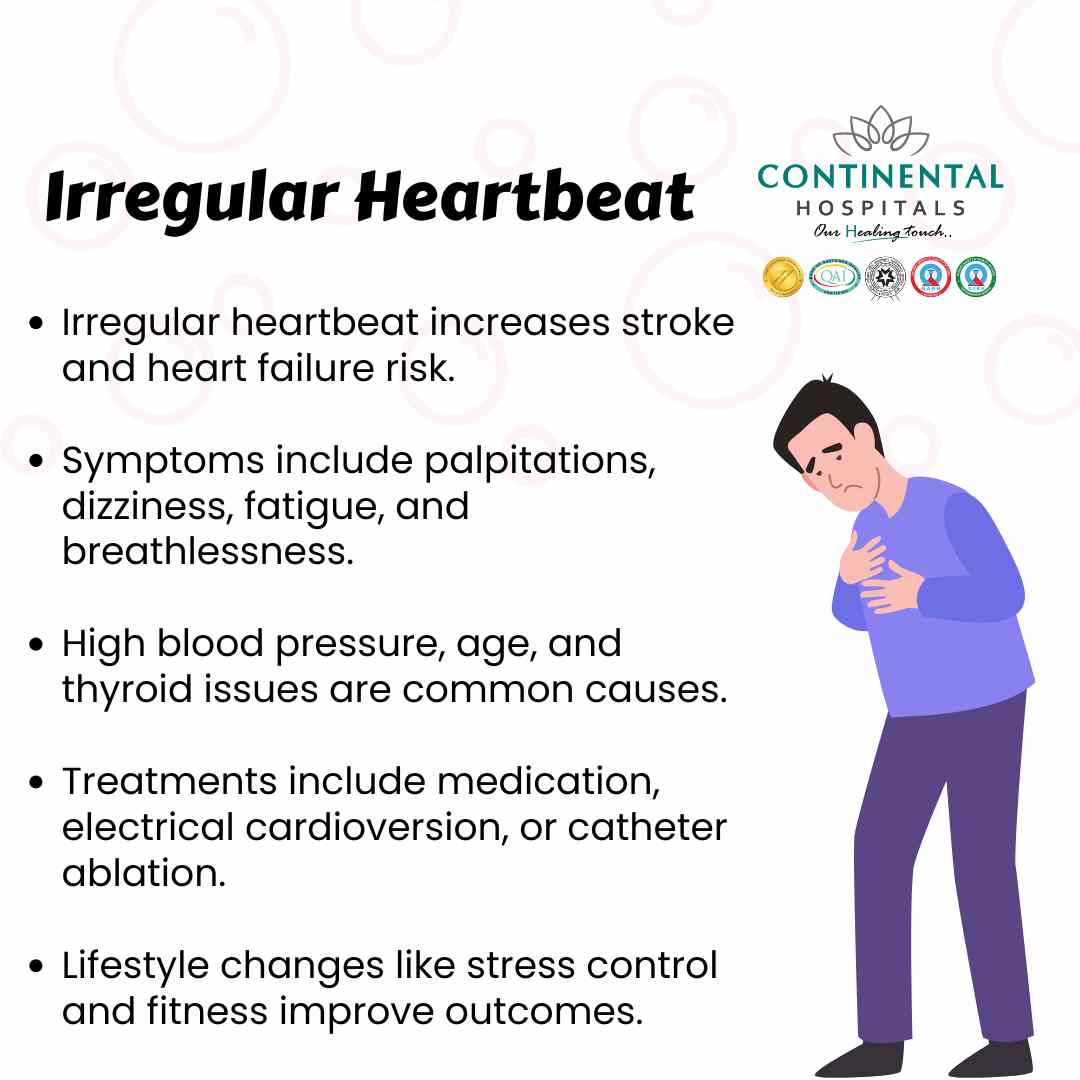
What Causes Atrial Fibrillation?
Atrial fibrillation can be triggered by several underlying conditions that affect the heart or overall health. Common causes include:
- High blood pressure
- Coronary artery disease
- Heart valve problems
- Previous heart surgery
- Overactive thyroid or metabolic imbalance
- Excessive alcohol or caffeine consumption
- Sleep apnea
- Chronic lung diseases
In some cases, AFib can occur without a clear cause, known as “lone atrial fibrillation.” However, lifestyle factors such as stress, poor diet, and lack of exercise can increase the risk.
Who is at Risk?
Certain factors make a person more likely to develop atrial fibrillation. These include:

Age: The risk increases with age, especially after 60.
Heart diseases: Conditions such as hypertension, heart failure, or valve issues increase risk.
Family history: A genetic predisposition can make AFib more likely.
Other health conditions: Diabetes, obesity, and thyroid disorders can also contribute.
Lifestyle factors: Smoking, excessive drinking, and physical inactivity can raise the chances of developing AFib.
Understanding these risks helps in early detection and prevention.
Complications Associated with Atrial Fibrillation
Atrial fibrillation is not just an irregular heartbeat; it can lead to serious health complications if not treated in time. The most common include:
Stroke: AFib increases the risk of stroke because the irregular heartbeat can cause blood to pool and form clots in the heart.
Heart failure: When the heart cannot pump blood efficiently, it can lead to fluid buildup and heart failure.
Cognitive decline: Some studies suggest that long-term AFib may increase the risk of dementia or memory issues due to reduced blood flow to the brain.
Early diagnosis and treatment play a vital role in preventing these complications.
How is Atrial Fibrillation Diagnosed?
To diagnose AFib, doctors use several tests to assess the heart’s rhythm and structure. These include:
Electrocardiogram (ECG): The most common test that records the heart’s electrical activity.
Holter monitor: A portable device worn for 24 to 48 hours to track irregular rhythms.
Echocardiogram: Uses ultrasound to visualize the heart’s structure and detect valve or chamber problems.
Blood tests: To check for thyroid problems or other underlying causes.
Accurate diagnosis helps doctors decide the best treatment plan tailored to each patient’s needs.
Treatment Options for Atrial Fibrillation
Treatment for atrial fibrillation focuses on restoring normal heart rhythm, controlling heart rate, and preventing blood clots. Depending on the severity, doctors may recommend one or a combination of the following approaches:
Medications
- Drugs to control heart rate and rhythm.
- Blood thinners (anticoagulants) to prevent clots and reduce stroke risk.
Cardioversion
- A controlled electric shock given to the heart to restore a normal rhythm.
Catheter Ablation
- A minimally invasive procedure where a thin tube is inserted into the heart to destroy small areas of tissue causing irregular signals.
Pacemaker
- In some cases, a pacemaker is implanted to regulate heart rhythm if medications and other treatments are not effective.
Lifestyle Modifications
- Eating a heart-healthy diet, avoiding alcohol and caffeine, maintaining a healthy weight, and managing stress can significantly improve heart health.
Why Choose Continental Hospitals for Atrial Fibrillation Treatment?
Continental Hospitals in Hyderabad is one of the leading centers for advanced cardiac care. The hospital is JCI and NABH accredited, ensuring that all treatments meet the highest global standards of safety, quality, and patient care.
At Continental Hospitals, the Department of Cardiology is equipped with advanced diagnostic and treatment facilities, including state-of-the-art cath labs, electrophysiology services, and cardiac monitoring units. The team comprises highly experienced cardiologists, electrophysiologists, and cardiac surgeons who provide personalized treatment plans based on each patient’s condition.
From accurate diagnosis to advanced procedures such as catheter ablation and pacemaker implantation, every step is handled with precision and compassion. The hospital’s multidisciplinary approach ensures that patients receive comprehensive care, including follow-up, rehabilitation, and lifestyle guidance for long-term heart health.
How to Prevent Atrial Fibrillation?
While not all cases of AFib can be prevented, certain habits can reduce the risk:
- Eat a balanced diet rich in fruits, vegetables, and whole grains.
- Exercise regularly under medical guidance.
- Avoid smoking and limit alcohol consumption.
- Manage conditions such as diabetes, high blood pressure, and sleep apnea.
- Get regular heart check-ups, especially if you have a family history of heart disease.
Prevention is always better than cure. Early awareness and lifestyle management can go a long way in protecting your heart.
Conclusion
Atrial fibrillation is a serious but manageable condition when detected early and treated properly. Understanding its symptoms, risk factors, and treatment options helps you make informed decisions about your heart health. With timely medical intervention and a healthy lifestyle, you can lead a normal and active life.
If you experience irregular heartbeat, fatigue, or chest discomfort, consult our best cardiologist at Continental Hospitals, Hyderabad.