• Share this:
post-title

Can Healthy Habits Make Your Body Age Slower?

Written by - Editorial Team
Medically Reviewed by - Dr Shilpa Aralikar

We all know the concept of aging as an aging of the calendar. The number increases year by year, and with it, we wish our bodies would slow down, slowly slowing down. But have you ever wondered why two individuals of exactly the same age have such a different look? The answer is your chronological age, your real age, versus your biological age, your actual age of your cells and organs.

Scientific evidence suggests that the degree of your body's decline is not fixed by your DNA. In fact, bigger than your genetics is what you do daily, how you channel your DNA. While we can't stop time, we can use our great power to channel our biological age to allow us to appear our best age as we age.

So can healthy habits allow you to age slower? The simple answer is yes. A proactive, healthy lifestyle for longevity allows you to create a remedy, how you can literally cue your own cells to repair more efficiently, delaying the onset of age-related decline. Let’s learn how you can learn to be in control of how you age.

What is accelerated biological aging?

Everyone ages, but premature or accelerated aging occurs when your internal systems deteriorate at an alarming rate. You might suffer constant, unexplained fatigue, lose muscle strength, or enjoy frequent joint aches, dull and inelastic skin, and a slow healing rate from minor injuries or illnesses. These physical signs are an indication your body’s cellular mechanisms are failing to keep up.

For expert guidance on healthy aging and preventive healthcare, visit our Internal Medicine Department at Continental Hospitals. Our experienced specialists provide comprehensive evaluations, personalized treatment plans, and ongoing care to help you stay healthy at every stage of life.

What is it that causes our bodies to age at the cellular level?

Oxidative stress is at the root of the cellular aging process. Oxidative stress occurs when free radicals, unstable molecules, harm cells. Over time, aging cells and a decline in the function of antioxidants cause damage to telomeres, the protective caps on the ends of our chromosomes that keep our cells from dividing beyond their checking point. In response, our cells can no longer divide or work properly. Finally, tissue damage and physical changes come about.
Which risk factors accelerate the aging process?

Several external factors accelerate your biological clock. Low-grade chronic inflammation driven by chronic stress, inactivity, poor sleep hygiene, and a diet high in refined sugars and processed foods can cause premature aging. Environmental toxins, pollution, and excessive and unprotected sun exposure damage the cellular structure and make it very difficult to retard aging intrinsically.

What do doctors look for to determine how old your body is?

Everyone ages, but no one has an aging disease that doctors diagnose. However, doctors do assess various markers of functional decline.

Second Opinion

  • Advanced Blood Panels: C-reactive protein + fasting insulin blood panel to check for chronic inflammatory markers.
  • Cardiovascular & Metabolic Screening: Cholesterol ratio, blood pressure, and arterial stiffness.
  • Functional Biomarkers: Lung capacity, grip strength, muscle mass, and cognitive processing speed.

What are the best anti-aging habits for a longer life?

You don't need some experimental, time-reversing tonic. You need consistency in your day-to-day habits. The right anti-aging habits keep your cells from dying of mischief and misadjustment.

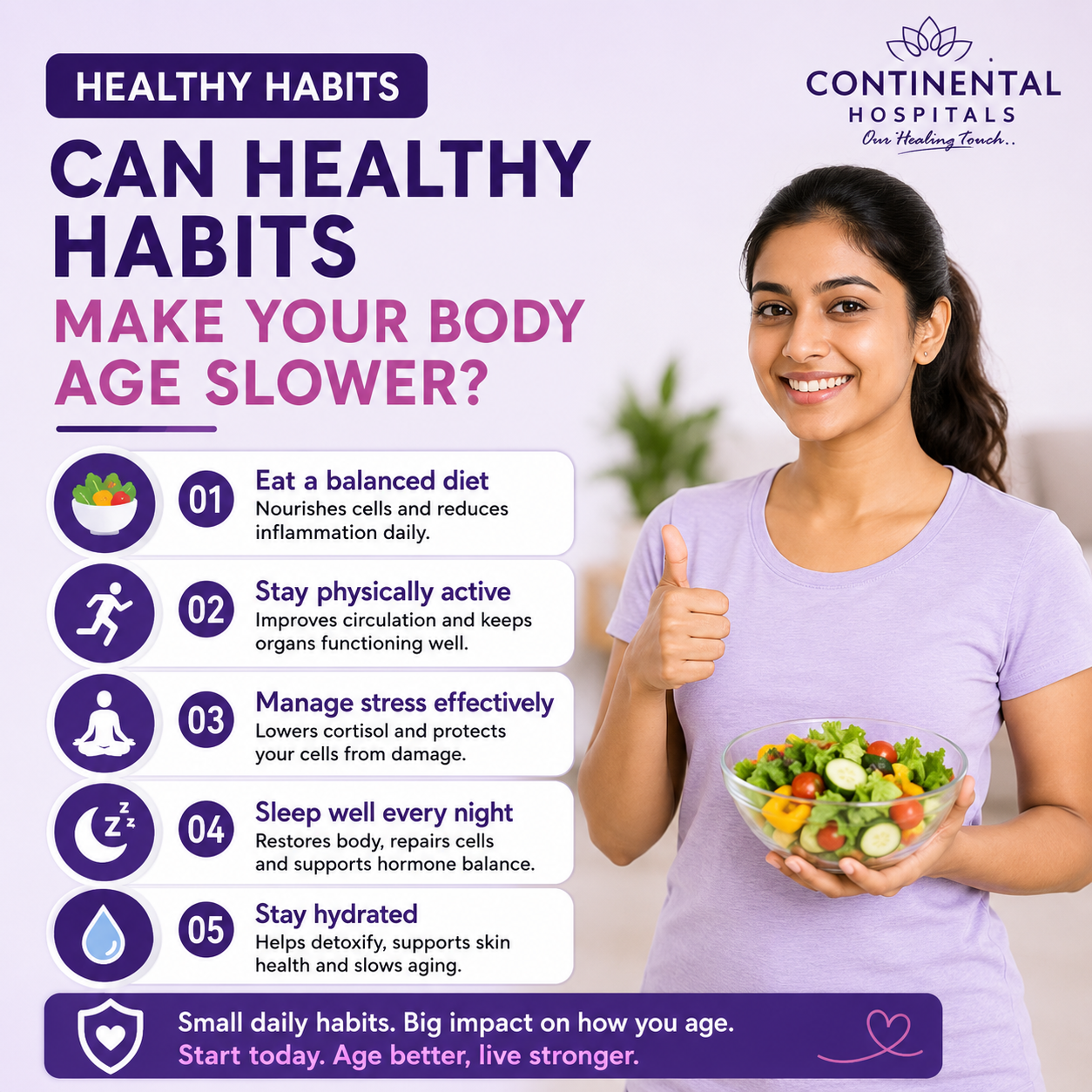
  • Whole Foods First: Base your portions on whatever looks colorful—vegetables, berries, nuts, and high-quality protein. They’re high in antioxidants that arrest the march of free radicals.
  • Get Physically Active: Add cardiovascular training and resistance training to your routine to hold onto muscle mass, keep your bones strong, and maintain good metabolic health.
  • Nail Stress: Acute and chronic stress causes the cortisol hormone to ship out to wherever DNA is starting to crumble. Use mindfulness, deep breathing, or yoga to keep that inflammation in check.
  • Preserve Your Sleep: 7 to 9 hours of sleep each night is your optimal window of opportunity for your brain + body to conduct life-saving cellular repair.

When should you see a doctor for aging concerns?

It is essential to talk to a doctor if you notice significant changes in your energy level, severe stiffness in your joints, or blackouts interfering in your everyday routine. You’ll rule out deficiencies and imbalances in your metabolism, forming a partnership with medical professionals that keeps your pursuit of longevity safe and steered by practical medical facts.

Why Choose Continental Hospitals for Healthy Aging and Longevity Care?

Longevity isn’t simply about adding years to your life; it’s about adding life to your years. At Continental Hospitals, we believe that when it comes to healthy aging and longevity, it isn’t about how long you live but the quality of the years you live. 

We provide you with the opportunity to get access to world-class experts and specialists who have a comprehensive understanding of the complex design behind metabolic and cellular health. With the help of advanced technology and infrastructure, we can conduct complex deep-dive tests and diagnostics to identify certain risk factors that are unique to you. Our care model is multidisciplinary and involves preventive medicine, nutrition, cardiology, and endocrinology. All of these are for you to receive a wellness and treatment plan to suit your specific needs and goals.

Indulge in global standards of clinical excellence and care with an organization that has dual accreditation from JCI Accreditation and NABH Accreditation. From emergency care (24x7) to critical care to day-to-day wellness, rest assured of excellent care with Continental Hospitals.

Conclusion

Every single choice you make on a daily basis is the most powerful tool you have to deactivate your biological clock. You can choose to grow older on a healthy lifestyle for longevity, stress management, and staying active, and you can set yourself up for success. The calendar keeps ticking: there’s no way to stop it, but you will have the power to know how strong and energized you are as the years roll forward.

To know more about healthy aging, consult our best internal medicine specialist in Hyderabad at Continental Hospitals. Visit Continental Hospitals for top diagnosis, advanced treatment, and expert care.

Need an Appointment?

Frequently Asked Questions

Yes, healthy habits can positively influence how the body ages. While aging is a natural biological process, lifestyle choices can affect the rate at which age-related changes occur. Regular physical activity, balanced nutrition, adequate sleep, stress management, and avoiding harmful habits such as smoking can help maintain organ function and overall health. Healthy habits support cellular repair, reduce chronic inflammation, and improve metabolic health. They may also lower the risk of age-related conditions such as heart disease, diabetes, and cognitive decline. Consistently following a healthy lifestyle can improve energy levels, mobility, and quality of life. Although healthy habits cannot stop aging, they can help individuals remain healthier and more active for longer. The cumulative effect of these habits often contributes to healthier aging outcomes.
Several daily habits can support healthy aging and long-term wellness. Eating a balanced diet rich in fruits, vegetables, whole grains, lean proteins, and healthy fats provides essential nutrients for the body. Regular physical activity helps maintain muscle strength, bone density, and cardiovascular health. Getting seven to nine hours of quality sleep each night allows the body to repair and recover. Staying hydrated supports digestion, circulation, and overall bodily functions. Managing stress through relaxation techniques, mindfulness, or hobbies can protect mental and physical health. Avoiding tobacco products and limiting alcohol intake further reduces health risks. Maintaining social connections and engaging in lifelong learning can also support emotional and cognitive well-being. Together, these habits contribute to healthier aging and improved quality of life.
Regular exercise plays a significant role in promoting healthy aging. Physical activity improves blood circulation, strengthens the heart, and supports healthy lung function. Exercise helps preserve muscle mass and bone density, both of which naturally decline with age. It also contributes to maintaining a healthy weight and improving metabolic health. Regular movement can reduce inflammation and support immune system function. Exercise is associated with better mental health, reduced stress, and improved sleep quality. Studies suggest that active individuals may experience slower declines in physical function and mobility. Activities such as walking, strength training, cycling, swimming, and yoga can all be beneficial. Consistent exercise helps individuals stay independent, active, and healthier as they age.
A nutritious diet can support healthy aging both internally and externally. Foods rich in antioxidants, vitamins, minerals, and healthy fats help protect cells from oxidative stress and damage. Fruits, vegetables, nuts, seeds, and whole grains provide nutrients that support skin health and overall body function. Adequate protein intake helps preserve muscle mass and strength as people age. Healthy fats, including omega-3 fatty acids, support heart and brain health. Limiting highly processed foods, excess sugar, and unhealthy fats can reduce inflammation and lower the risk of chronic diseases. Proper nutrition also supports immune function and energy production. Over time, healthy eating habits contribute to better physical health, improved vitality, and healthier aging outcomes.
Yes, sleep is an essential component of healthy aging. During sleep, the body performs critical repair and recovery processes that support physical and mental health. Poor sleep quality or chronic sleep deprivation may increase inflammation and stress hormone levels. Inadequate sleep can affect memory, concentration, mood, and immune function. It may also contribute to the development of chronic conditions such as obesity, diabetes, and cardiovascular disease. Consistently getting enough restorative sleep helps maintain hormonal balance and cellular health. Good sleep hygiene practices, including maintaining a regular sleep schedule and limiting screen time before bed, can improve sleep quality. Prioritizing sleep supports overall wellness and may help promote healthier aging.
Managing stress effectively can have a positive impact on healthy aging. Chronic stress may increase levels of stress hormones, which can affect various body systems over time. Long-term stress has been linked to inflammation, weakened immunity, and increased risk of chronic diseases. Stress can also negatively impact sleep quality, mental health, and cardiovascular health. Practicing stress-management techniques such as meditation, deep breathing exercises, yoga, and regular physical activity can help reduce its effects. Maintaining supportive relationships and engaging in enjoyable activities can further improve emotional well-being. Learning healthy coping strategies helps build resilience and supports overall health. Reducing chronic stress may contribute to improved longevity and better quality of life.
Strong social connections are an important factor in healthy aging. Maintaining meaningful relationships with family, friends, and community members can support emotional and mental well-being. Social engagement has been associated with lower rates of depression, anxiety, and loneliness. Positive social interactions may also contribute to better cognitive health and memory function. People who remain socially active often experience higher levels of life satisfaction and emotional resilience. Participating in community activities, volunteering, or pursuing shared interests can help maintain social connections. These relationships can provide emotional support during challenging times and encourage healthy behaviors. Staying socially connected contributes to overall wellness and supports healthier aging.
It is never too early or too late to adopt healthy habits that support healthy aging. Starting healthy lifestyle practices during childhood or early adulthood can provide long-term benefits and reduce future health risks. However, individuals can experience meaningful improvements even when making changes later in life. Adopting healthier eating habits, increasing physical activity, improving sleep quality, and managing stress can positively impact health at any age. Small, consistent changes often produce lasting results over time. Preventive healthcare, routine screenings, and regular medical checkups also play important roles in maintaining wellness. The key is consistency and commitment to healthy behaviors. Every positive lifestyle change can contribute to better health and improved aging outcomes.
Disclaimer: The information provided in this blog is intended for general knowledge and informational purposes only, and does not constitute medical advice. Always consult with a qualified healthcare professional for any medical concerns or before making any decisions about your health.

Get in Touch With Us

Whether you are from India or abroad, we are here to help you with your medical queries. Please fill out the form below and our team will connect with you shortly.

  • ✔ Quick response from our medical experts
  • ✔ Secure data handling & privacy
  • ✔ Easy upload for reports & documents
0 / 100
Checkboxes Section


Chat with our medical experts on WhatsApp for quick assistance and hassle-free appointment booking

Recent Posts
Language Based Image
0 / 100