
post-title

Don’t Skip Primary Care With Heart Drugs

Written by - Editorial Team
Medically Reviewed by - Dr Meeraji Rao Dandangi

Heart medications save lives and protect people from life-threatening complications. However, simply taking prescribed pills is not enough. Skipping regular primary care check-ups while on heart drugs can put your health at risk. If you are on medications for blood pressure, cholesterol, arrhythmia, or heart failure, you need consistent monitoring to keep your heart strong and safe.

Why is primary care important for heart health?

Primary care is your first line of defense when managing heart conditions. Your doctor regularly checks your vitals, reviews your medical history, and adjusts your treatment plan to avoid side effects. Skipping these visits can mean missing early signs of complications.

When you take heart medicines such as beta-blockers, ACE inhibitors, blood thinners, or statins, they affect more than just your heart. They can influence blood sugar, kidney function, liver health, and electrolyte balance. Only regular doctor visits and lab tests can make sure your medication is working correctly and not causing hidden harm.
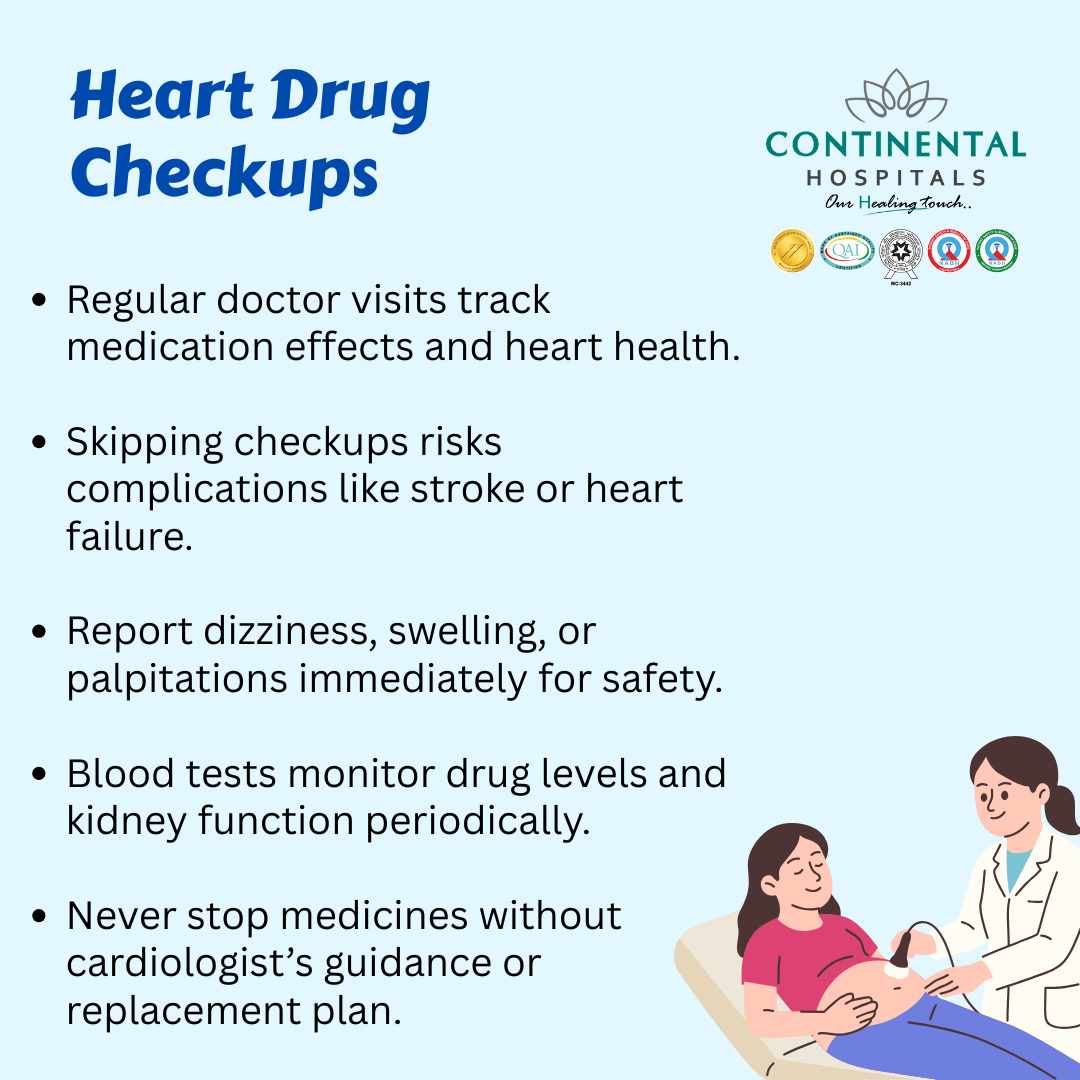
Visit the Best Cardiology Doctors in Hyderabad at Continental Hospitals, Gachibowli, Hyderabad, and receive comprehensive heart care from our expert cardiologists for a healthier heart.

What are the risks of skipping primary care?

What happens if you stop visiting your primary care physician?

Unnoticed side effects: Heart drugs may sometimes cause dizziness, bleeding, or fatigue. Without a check-up, these issues can worsen.

Missed dosage adjustments: Your body’s needs change with age and health status. Doctors help fine-tune your dosage for safety.

Drug interactions: If you start a new medicine from another doctor or pharmacy, your primary doctor checks if it is safe with your heart drugs.

Second Opinion

Progression of heart disease: Early symptoms of worsening heart health, such as swelling, shortness of breath, or irregular heartbeat, can go unnoticed without regular evaluation.

How does primary care improve treatment outcomes?

Primary care doctors are your health coordinators. They ensure your treatment plan is updated and personalized. Regular monitoring allows them to:

  • Review your blood pressure and cholesterol levels
  • Check for kidney and liver function changes
  • Recommend lifestyle modifications such as diet and exercise
  • Identify early complications before they turn serious
  • Guide you on safe use of supplements or other medicines

By staying in touch with your doctor, you can prevent hospitalizations, keep your heart stronger, and improve quality of life.

Why are blood tests important when taking heart medications?

Do you know why doctors order blood tests every few months? These tests check for side effects, track medication efficiency, and measure overall heart health. For example:

  • Blood thinners need INR monitoring to avoid bleeding or clotting risk
  • Statins require liver function tests to ensure safety
  • Diuretics need electrolyte checks to avoid weakness or irregular heartbeat

Skipping tests can be risky because damage may develop silently and only show symptoms when it is too late.

Can lifestyle changes improve the effectiveness of heart medications?

Primary care is not just about prescriptions. Your doctor discusses your lifestyle choices that affect your heart. Eating heart-friendly foods, exercising regularly, quitting smoking, and reducing stress work hand in hand with medicines. Your doctor provides tailored advice that helps your medication work better.

Why choose Continental Hospitals for heart care?

Continental Hospitals in Hyderabad is a trusted name in cardiac care with a strong focus on patient safety and excellence. The hospital is JCI-accredited, which means it follows international quality and safety standards. Every patient receives evidence-based treatment, continuous monitoring, and personalized care plans.

Need an Appointment?

Our team of cardiologists, internal medicine specialists, and primary care physicians work together to manage your heart health. With advanced diagnostic tools, round-the-clock emergency services, and state-of-the-art labs, we ensure your treatment is accurate, safe, and convenient.

Accreditation and Quality Standards

Choosing an accredited hospital is critical for long-term heart management. Continental Hospitals follows stringent protocols to reduce medical errors, improve treatment outcomes, and maintain patient privacy. The hospital’s NABH and JCI accreditations assure you that every procedure, from consultations to follow-up visits, meets the highest global benchmarks.

When should I see my doctor if I'm taking heart medicine?

Do you have any of these warning signs while on heart drugs?

  • Sudden weight gain or swelling in legs
  • Severe tiredness or shortness of breath
  • Bleeding gums, nosebleeds, or unusual bruising
  • Chest pain or irregular heartbeat
  • Persistent cough or dizziness

If yes, schedule a primary care appointment immediately. Do not wait until your next routine visit. Early action can prevent hospital admission and save your life.

Simplified Care and Easy Appointments

Continental Hospitals makes follow-ups simple and stress-free. You can book appointments online or through the hospital helpdesk, get quick lab reports, and consult with your doctor on the same day. The hospital also provides patient education materials so you understand your medications and follow them correctly.

Conclusion

Heart drugs work best when combined with consistent medical supervision. Skipping primary care visits can increase risks and delay detection of side effects. Regular check-ups, tests, and lifestyle guidance keep your heart medicines safe and effective.

If you are taking heart medications, make primary care a priority. Your health deserves expert attention every step of the way.

Book a consultation with our Best Cardiologist in hyderabad at Continental Hospitals, Gachibowli, Hyderabad, and get comprehensive primary care for your heart health today.

Frequently Asked Questions

Heart medications help control conditions such as high blood pressure, heart failure, irregular heart rhythms, and high cholesterol, but they are only one part of your overall healthcare. Your primary care doctor monitors your complete health, including diabetes, kidney function, thyroid health, lung conditions, vaccinations, nutrition, and mental well-being. Regular visits also help identify medication side effects before they become serious. Your doctor reviews whether your medications are still appropriate and checks for interactions with new prescriptions. Routine health screenings can detect other diseases early. Preventive care reduces the risk of complications and hospitalizations. Primary care physicians coordinate with cardiologists to ensure all aspects of your treatment work together. Skipping routine checkups can delay diagnosis of unrelated health conditions. Maintaining regular primary care visits supports better long-term health and improves your overall quality of life.
A cardiologist specializes in diagnosing and treating heart-related conditions, while a primary care physician manages your overall health. Many health issues such as infections, diabetes, osteoporosis, digestive disorders, thyroid disease, and preventive screenings are outside the routine scope of cardiology. Your primary care doctor coordinates care among specialists and ensures that treatments do not conflict. They monitor lifestyle factors, vaccinations, routine blood tests, and age-appropriate cancer screenings. They also help manage chronic illnesses that may affect heart health. Working together, your primary care physician and cardiologist provide comprehensive healthcare. Relying only on one specialist may leave other important health concerns unnoticed. Regular visits to both providers improve continuity of care. This collaborative approach helps maintain long-term wellness.
People taking heart medications often need regular monitoring to ensure treatment remains safe and effective. Blood pressure, heart rate, cholesterol levels, kidney function, liver function, blood sugar, and electrolyte levels may require periodic evaluation depending on the medication prescribed. Some medications also require monitoring for bleeding risk or changes in heart rhythm. Your doctor may recommend ECGs, echocardiograms, or other heart tests when necessary. Routine weight checks and symptom reviews help identify fluid retention or worsening heart failure. Lifestyle habits such as diet, exercise, smoking cessation, and sleep quality should also be reviewed. Monitoring allows timely dose adjustments and reduces the risk of complications. Regular follow-up visits help detect problems early and improve treatment outcomes.
Skipping regular medical appointments can increase the risk of undetected health problems. Blood pressure may become uncontrolled without obvious symptoms, and medication side effects may go unnoticed. Kidney or liver function can change over time, affecting how medicines work. Missed checkups may delay diagnosis of diabetes, infections, anemia, or other chronic conditions. Your doctor may also miss opportunities to optimize medication doses or recommend preventive care. Routine monitoring helps reduce emergency hospital visits and prevents complications before they become severe. Consistent follow-up supports medication safety, improves disease control, and promotes better long-term heart health. Staying connected with your healthcare team is an important part of successful treatment.
Yes. Heart medications can interact with prescription medicines, over-the-counter drugs, herbal supplements, and certain vitamins. These interactions may reduce treatment effectiveness or increase the risk of side effects such as bleeding, low blood pressure, kidney problems, or abnormal heart rhythms. Your primary care physician reviews your complete medication list during routine visits and identifies potential interactions before they become harmful. They also coordinate medication changes with your cardiologist and other specialists. Inform your healthcare provider about every medicine or supplement you take, even if purchased without a prescription. Never stop or start medications without medical advice. Careful medication review improves safety and ensures that every treatment works together effectively.
Heart medications work best when combined with healthy lifestyle habits. Eating a balanced diet low in excess salt and unhealthy fats, exercising regularly, maintaining a healthy weight, avoiding tobacco, limiting alcohol, managing stress, and getting adequate sleep all contribute to better cardiovascular health. Your primary care physician helps develop realistic lifestyle goals based on your age, medical conditions, and physical abilities. Regular follow-up allows progress to be monitored and recommendations adjusted over time. Lifestyle improvements can reduce cardiovascular risk factors, improve medication effectiveness, and lower the likelihood of future heart complications. Healthy habits remain an essential part of long-term heart disease management.
Contact your healthcare provider if you experience new or worsening symptoms such as chest pain, severe shortness of breath, fainting, swelling in the legs, rapid or irregular heartbeat, dizziness, unusual bleeding, severe fatigue, allergic reactions, or sudden weight gain. You should also seek medical advice before stopping medications or making dosage changes. New prescriptions from other doctors should be reviewed for possible interactions. Early communication allows problems to be addressed before they become emergencies. Keeping scheduled appointments and reporting symptoms promptly supports safer treatment and better long-term outcomes. Never ignore persistent symptoms or delay seeking medical care.
The frequency of follow-up visits depends on your specific heart condition, medications, age, and overall health. People with recently diagnosed heart disease or medication changes may require more frequent visits. Once the condition is stable, routine follow-up is still important to monitor blood pressure, laboratory tests, medication effectiveness, and overall health. Your primary care physician and cardiologist determine an appropriate schedule based on your individual needs. Attending regular appointments helps identify changes early, prevents complications, and ensures treatment remains effective. Never skip recommended follow-up visits even if you feel well, because many heart conditions progress without noticeable symptoms.
Disclaimer: The information provided in this blog is intended for general knowledge and informational purposes only, and does not constitute medical advice. Always consult with a qualified healthcare professional for any medical concerns or before making any decisions about your health.

Get in Touch With Us

Whether you are from India or abroad, we are here to help you with your medical queries. Please fill out the form below and our team will connect with you shortly.

  • ✔ Quick response from our medical experts
  • ✔ Secure data handling & privacy
  • ✔ Easy upload for reports & documents
banner_image

Chat with our medical experts on WhatsApp for quick assistance and hassle-free appointment booking

Recent Posts