.webp)


Your health is often compared to a finely tuned machine, but even the best engines can struggle if the fuel delivery system fails. At the center of this system is a hormone called insulin. When your body stops responding to it correctly, a condition known as insulin resistance develops. While it might sound like a minor metabolic hiccup, it is actually the hidden foundation for some of the most serious chronic illnesses today.
What is insulin resistance and how does insulin work?
To understand insulin resistance, we must first look at how insulin works in a healthy body. Imagine insulin as a key. Every time you eat, your body breaks down carbohydrates into glucose (sugar), which enters your bloodstream. Your pancreas senses this rise and releases insulin.
Insulin travels through the blood to your cells, inserts itself into a lock on the cell wall, and opens the door to let glucose inside. Once inside, the glucose is used for energy or stored for later. When this process is seamless, your blood sugar remains stable.
In insulin resistance, the locks on your cells become rusty or jammed. The "keys" (insulin) no longer work effectively. Because the cells aren't opening their doors, glucose builds up in the blood. The pancreas, sensing the high sugar levels, works overtime to pump out even more insulin to force the doors open. Over time, this leads to chronically high levels of both sugar and insulin in the body, creating a cascade of health issues.
Worried about insulin resistance? Get expert care with a comprehensive evaluation. Visit our endocrinology department in Hyderabad today.
Common Insulin Resistance Symptoms to Watch For
The challenge with insulin resistance is that it often develops silently for years before a major diagnosis like Type 2 Diabetes occurs. However, your body does send out subtle warning signs. Recognizing these insulin resistance symptoms early can be life-changing.
- Excessive Hunger: Even after eating a full meal, you may feel hungry because your cells aren't actually getting the glucose they need for energy.
- Fatigue: If your cells are starving for fuel, you will naturally feel drained, especially after meals.
- Abdominal Fat: Weight gain centered around the waist is a classic sign of metabolic struggle.
- Skin Changes: Dark, velvety patches of skin (known as acanthosis nigricans) often appear around the neck, armpits, or groin.
- Brain Fog: Difficulty concentrating or feeling "fuzzy" can be linked to unstable blood sugar levels.
- Frequent Urination: As blood sugar rises, the kidneys work harder to filter it out, leading to more trips to the bathroom.
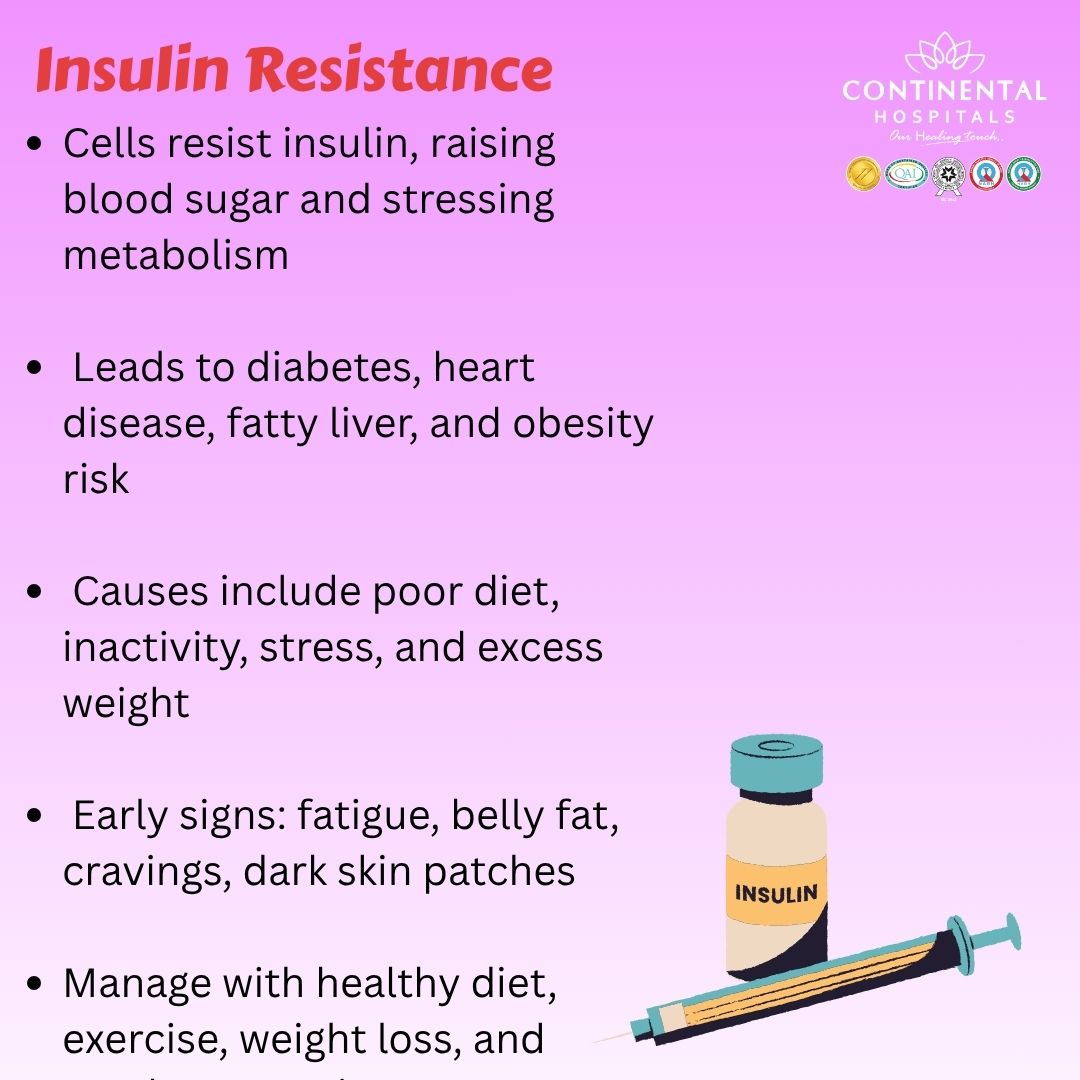
Why Insulin Resistance is the Root of Other Diseases
If left unaddressed, insulin resistance acts as a gateway to several other life-altering conditions. Because insulin affects almost every cell in the body, the damage is widespread.
Type 2 Diabetes
This is the most direct consequence. Eventually, the pancreas can no longer keep up with the demand for extra insulin, or it simply burns out. When this happens, blood sugar levels stay permanently high, leading to a diabetes diagnosis.
Heart Disease and Hypertension
High levels of insulin can cause the kidneys to retain salt and water, which increases blood pressure. Furthermore, insulin resistance is often linked to high triglycerides and "bad" cholesterol, both of which contribute to the hardening of the arteries.

Polycystic Ovary Syndrome (PCOS)
In women, high insulin levels can trigger the ovaries to produce excess testosterone. This leads to irregular periods, acne, and fertility challenges. Managing insulin resistance is often the primary step in treating PCOS.
Fatty Liver Disease
When the body cannot move sugar into the cells, the liver begins to convert that excess sugar into fat. This fat builds up within the liver tissue, leading to inflammation and potential long-term damage.
Simple Ways to Reverse Insulin Resistance
The good news is that insulin resistance is not a life sentence. Because it is largely driven by lifestyle, it can often be managed or even reversed with consistent, healthy choices.
Prioritize Whole Foods: Focus on fiber-rich vegetables, lean proteins, and healthy fats. These foods result in a slower, more manageable rise in blood sugar compared to processed snacks and sugary drinks.
Move Your Body Regularly: Physical activity is one of the most effective ways to make your cells more sensitive to insulin. Even a brisk thirty-minute walk can help your muscles soak up glucose more efficiently.
Prioritize Sleep: Lack of sleep increases stress hormones like cortisol, which directly interferes with how insulin works.
Manage Stress: Chronic stress keeps blood sugar elevated. Finding ways to relax, whether through meditation or hobbies, can have a measurable impact on your metabolic health.
Why Choose Continental Hospitals for Your Care?
When dealing with complex metabolic issues like insulin resistance, you need more than just a general consultation. You need a team that understands the intricate web of hormones, nutrition, and systemic health. Continental Hospitals is widely recognized as the best hospital in Hyderabad for comprehensive metabolic and endocrine care.
We provide an integrated approach where endocrinologists, dietitians, and lifestyle experts work together to create a personalized roadmap for your recovery. Our facility is equipped with state-of-the-art diagnostic tools that allow us to detect metabolic shifts long before they turn into chronic diseases.
Our Commitment to Quality and Safety
At Continental Hospitals, our standards of care are validated by the most prestigious healthcare bodies. We take immense pride in our global and national recognitions?
JCI Accreditation: Joint Commission International (JCI) accreditation is the gold standard in global healthcare. It signifies that our hospital adheres to the highest international safety and quality protocols.
NABH Accreditation: The National Accreditation Board for Hospitals & Healthcare Providers (NABH) confirms our commitment to excellence in the Indian healthcare landscape, ensuring patient-centric care at every level.
Advanced Infrastructure: Our facility is designed to provide a healing environment with cutting-edge technology and highly specialized departments.
Conclusion
Understanding what is insulin resistance is the first step toward taking control of your future. It is the silent engine driving many of the modern world's health crises, but it is also a condition that responds powerfully to the right interventions. By focusing on nutrition, movement, and professional medical guidance, you can reverse insulin resistance and protect your heart, your liver, and your longevity.
Do not wait for a diagnosis to start caring for your metabolism. Early intervention is the most effective way to ensure a vibrant, healthy life.
If you are experiencing unexplained fatigue, weight gain around the midsection, or have a family history of metabolic issues, it is time to seek professional advice. At Continental Hospitals, we are dedicated to helping you identify the root cause of your symptoms and providing the expert care you deserve.
Are you worried that you may be suffering from the effects of insulin resistance? Consult our best endocrinologist in Hyderabad today for a comprehensive evaluation.
Related Blog Topics: