.webp)
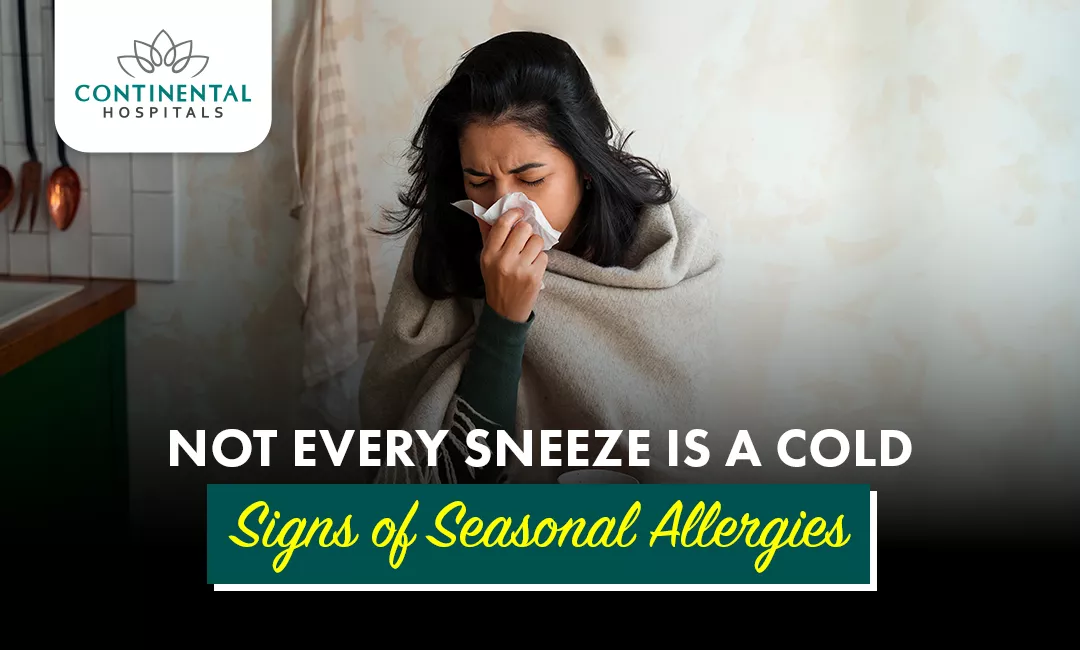
Sneezing, a runny nose, and watery eyes are often blamed on the common cold. However, not every sneeze means you are sick with a viral infection. In many cases, these symptoms may actually point to seasonal allergies, a condition that affects millions of people during certain times of the year. Understanding the difference between a cold and allergies can help you seek the right treatment and avoid unnecessary discomfort.
Seasonal allergies occur when the immune system reacts to allergens such as pollen, dust, mold, or grass. These allergens trigger inflammation in the nose and airways, leading to symptoms commonly known as allergic rhinitis. Unlike a cold, seasonal allergies are not caused by viruses and are not contagious.
Many people ignore early allergy symptoms or mistake them for a mild cold. Recognizing the signs of seasonal allergies early can help prevent complications, improve quality of life, and ensure timely medical care.
What Are Seasonal Allergies?
Seasonal allergies occur when the immune system responds to a specific allergen. The allergenic substance, such as pollen or mold spores, is considered a threat by the immune system, and chemicals such as histamine are released, leading to allergic reactions.
- Tree pollen in spring
- Grass pollen in summer
- Weed pollen in autumn
- Mold spores in rain or humid weather
- Dust and air pollution
People with allergic rhinitis will typically experience similar symptom fluctuations at around the same time each year.
Visit the general physician near me in Hyderabad at Continental Hospitals. Our experienced specialists provide accurate diagnosis, personalized treatment, and comprehensive care to help you breathe easier and stay healthy.
What Are the Common Signs of Seasonal Allergies?
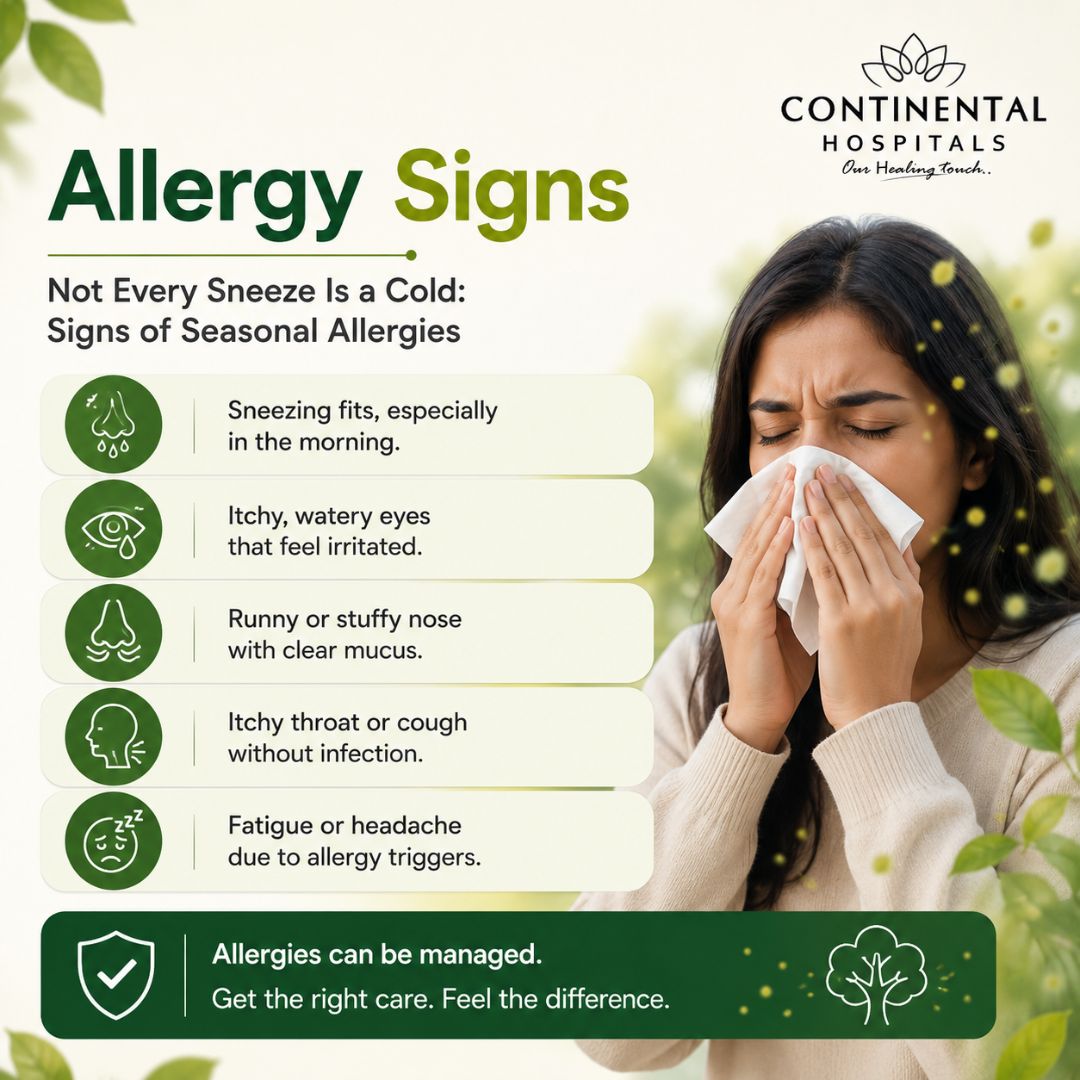
The signs of seasonal allergies can be as mild or as intense as symptoms calculated by the individual and the level of exposure to the allergen. Many of these have some similarities with a common cold, so it can be hard to compare and contrast.
Common signs of seasonal allergies
- Frequent sneezing and allergy-related irritation
- Runny nose or nose blockage
- Itchy certain parts of your nose, ears, throat
- Watery, itchy or red eyes
- Postnasal drip
- Dry cough
- Sleep deprivation leading to low energy
- Headache or sinus pressure
A cold generally causes fever or body aches. This isn’t usually the case with seasonal allergies.

How Can You Tell the Difference Between Cold vs Allergies?
People often confuse cold vs allergies as both come with nose and throat symptoms. But there are key differences.
How Long Do Symptoms Last?
A cold usually lasts about 7–10 days, while seasonal allergies can last for weeks to months that the allergens present.
Do You Get a Fever with Allergies?
Sometimes a cold can bring on fever, fatigue, and body pains. Seasonal allergies rarely cause fever.
Are Itchy Eyes a Symptom of Allergies?
Itchy, watery eyes are a classic presentation of seasonal allergies but much less common in infections like a cold.
Seasonal Allergies Are Caused by Your Body’s Immune System?
Seasonal allergies happen when your immune system reacts to allergens in the air. Your body will release inflammatory chemicals, including histamine, which can cause symptoms.
Allergy triggers include:
- Tree, grass and weed pollen
- Mold spores
- Dust mites
- Pet dander
- Pollution and smoke
- Rapid changes in weather conditions
It is possible that environmental pollution and climate change are contributing to the increased prevalence and severity of allergies.
Who Is at Higher Risk of Allergic Rhinitis?
Certain people are more prone to developing allergic rhinitis and other seasonal allergies.
Risk factors include:
- Having allergies or asthma runs in the family
- Having asthma or eczema
- Living in a crowded urban environment with high levels of pollution
- Being exposed to dust, smoke, or chemicals
- Having a weak immune system
- Seasonal changes in climate
Aside from being children and young adults, allergies can develop at any time.
How Are Seasonal Allergies Diagnosed?
Proper diagnosis allows doctors to rule out conditions such as the flu, common cold, or sinusitis.
To diagnose allergies, doctors may:
- Submit to a detailed medical history
- Undergo a physical exam
- Hair the skin prick test
- Undergo an allergy blood test
- Receive a nasal examination
At specialized hospitals, doctors specializing in allergies can diagnose the cause of symptoms and formulate a treatment plan.
What Treatments Silently Ease Symptoms of Seasonal Allergies?
Treatment options include alleviating symptoms, minimizing complications, and improving quality of life.
Common Medications Used Are:
- Antihistamines
- Nasal spray
- Decongestants
- Eye drops for itchy eyes
- Allergy immunotherapy for severe allergies
All medication should be taken under the guidance of a doctor, particularly for the elderly, children, and individuals with other health issues.
Can Lifestyle Changes Reduce Symptoms?
Yes, lifestyle change can minimize exposure to allergens and significantly reduce or control symptoms.
Some of the tips are:
- Keep windows closed during seasons of high pollen counts
- Wear masks outside during dusty weather
- Take a shower after returning indoors
- Use an air purifier at home
- No smoking and avoid secondhand smoke
- Keep the house clean
How to Avoid Seasonal Allergies?
The main goal is to limit contact with allergens.
Some simple steps are the following:
- Track daily pollen count
- Avoid outdoor activities at peak pollen times
- Hydrate
- Keep a healthy immune system by eating well
- Wear protective glasses outdoors
- Wash bedding in hot water often
Treating early offers the possibility to avoid further complications such as sinus infection or asthma flare up.
When Should You Seek Medical Care for Allergy Symptoms?
Many people tolerate excessive sneezing and the allergies that cause it until the symptoms become severe. But, you should seek medical care if:
- The symptoms do not go away within a few weeks
- The over-the-counter medicines do not help
- You have a hard time breathing
- The symptoms affect your sleep or your work
- You get frequent sinus infections
- Asthma flare-ups occur
You may benefit from earlier medical care and seek a specialist. This may help prevent chronic discomfort and enable you to enjoy good health in the future.
Why Choose Continental Hospitals for Seasonal Allergy Treatment?
At Continental Hospitals, we offer patient-centric comprehensive seasonal allergy diagnoses and treatments for seasonal allergies.
- Allergy & ENT Specialists
- Advanced Diagnostic Technology
- Multidisciplinary Care Approach
- Individualized Treatment Plan
- JCI Accreditation for ensuring Healthcare Delivery to Global Standards
- NABH Accreditation for ensuring Quality Patient Safety
- State-of-the-Art Infrastructure
- 24-hour Emergency & Critical Care Services
- High Standards of Patient Care & Hygiene
Our specialists focus on finding the root cause of allergy symptoms and help by providing evidence-based long-term relief.
Conclusion
Yes! Seasonal allergies can be treated with timely diagnosis, like treatment and preventive care. Understanding the difference between cold vs allergies becomes important to prevent avoidable complications and agony. Repeated sneezing, itchy eyes, or allergic nasal congestion during any season should not be overlooked as seasonal allergies. If you start experiencing any of these, don’t wait; seek medical advice. You can breathe easy and live life more comfortably.
For more queries about seasonal allergies, consult our best general physician in Hyderabad at Continental Hospitals. Visit Continental Hospitals for efficient diagnosis, advanced treatment, and comprehensive care.
Related Blog Topics: