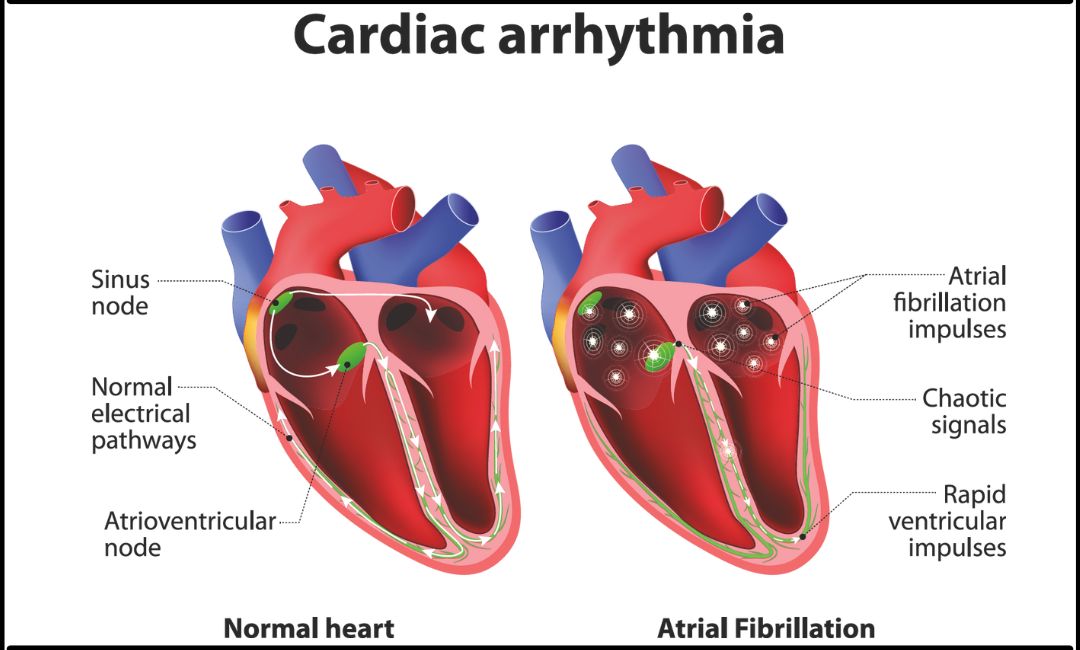
Heart Arrhythmia is a condition characterized by irregular heartbeats or abnormal heart rhythms. It can range from harmless to life-threatening, and it affects millions of people worldwide.
If you suspect you have a heart arrhythmia or have been diagnosed with one, it's important to consult with the best cardiologists in Hyderabad.
Causes of Heart arrhythmia
There are several factors that can contribute to the development of heart arrhythmia.
Heart Conditions: Damage to the heart's electrical system due to heart disease, heart attack, or other heart conditions.
Electrolyte Imbalance: Abnormal levels of potassium, sodium, calcium, or magnesium in the blood.
Structural Changes: Changes in the heart's structure, such as enlargement of the heart chambers.
Other Medical Conditions: Conditions like high blood pressure, diabetes, thyroid problems, and sleep apnea can contribute.
Genetic Factors: Some arrhythmias have a genetic component.
Stress: Emotional stress or anxiety can sometimes trigger arrhythmias.
Risk Factors of Heart arrhythmia
Understanding the risks associated with heart arrhythmia is crucial for maintaining cardiovascular health.
Ablation Therapy: Procedure to destroy abnormal heart tissue causing the arrhythmia.
Implantable Devices: Pacemakers to regulate heart rate or implantable cardioverter-defibrillators (ICDs) to shock the heart back to normal rhythm if needed.
Preventive Measures for Heart arrhythmia
Regular Exercise: Maintains a healthy heart and reduces the risk of heart disease.
Healthy Diet: Low in saturated fats, cholesterol, and sodium; high in fruits, vegetables, and whole grains.
Maintain a Healthy Weight
Manage Stress: Through relaxation techniques, meditation, or counseling if needed.
Limit Alcohol and Caffeine
Regular Checkups: Especially if you have risk factors or a family history of heart disease.
Quit Smoking
Do's & Don’t's
When it comes to managing heart arrhythmia, there are certain do's and don'ts that can greatly impact your overall well-being. By following these guidelines, you can effectively manage your condition and reduce the risk of complications.
Do's
Don't
Seek Medical Attention: If you suspect you have a heart arrhythmia or experience symptoms like palpitations, dizziness, or chest pain, seek immediate medical help.
Self-Diagnosis: Do not try to self-diagnose or self-treat heart arrhythmias without proper medical guidance.
Medication Compliance: If you have been prescribed medications for your arrhythmia, take them as directed by your healthcare provider.
Skipping Medications: Avoid skipping doses or stopping medications without consulting your doctor.
Lifestyle Modifications: Make necessary lifestyle changes, such as adopting a heart-healthy diet, engaging in regular exercise, and managing stress.
Excessive Caffeine: Limit or avoid excessive caffeine intake from sources like coffee, energy drinks, and certain medications.
Stay Hydrated: Maintain proper hydration, as dehydration can sometimes trigger arrhythmias.
Excessive Alcohol: Limit alcohol consumption, as excessive alcohol can contribute to arrhythmias.
Manage Stress: Practice stress-reduction techniques like meditation, yoga, or deep breathing exercises.
Overexertion: Avoid strenuous or excessive physical activity, especially if you have been advised against it by your healthcare provider.
Know Your Triggers: Identify and avoid specific triggers that worsen your arrhythmias, such as certain foods or stressors.
Ignoring Symptoms: If you experience severe symptoms, don't ignore them or delay seeking medical attention.
Regular Check-ups: Attend regular follow-up appointments with your healthcare provider to monitor your condition.
Ignoring Medication Side Effects: If you experience adverse effects from your medication, don't ignore them; report them to your doctor.
Heart Arrhythmia is a condition characterized by irregular heartbeats or abnormal heart rhythms. It can range from harmless to life-threatening, and it affects millions of people worldwide. Understanding the causes, symptoms, and treatment options for Heart Arrhythmia is crucial for both patients and healthcare professionals.
There are several factors that can contribute to the development of heart arrhythmia. One common cause is underlying heart conditions such as coronary artery disease, heart valve problems, or previous heart attacks. These conditions can disrupt the electrical signals that regulate the heartbeat, leading to irregular rhythms. Other potential causes include high blood pressure, thyroid disorders, excessive alcohol or caffeine consumption, drug abuse, and certain medications.
One of the primary risk factors for heart arrhythmia is underlying heart conditions. Individuals with pre-existing heart diseases such as coronary artery disease, heart failure, or congenital heart defects are more susceptible to developing arrhythmias. Additionally, high blood pressure and diabetes can also increase the risk of experiencing irregular heart rhythms.
One common symptom of heart arrhythmia is palpitations, which refers to an awareness of your own heartbeat. You may experience a rapid, pounding, fluttering, or irregular sensation in your chest. This can be accompanied by a feeling of lightheadedness or dizziness.
One key method used in the diagnosis of heart arrhythmia is electrocardiography (ECG or EKG). This non-invasive test records the electrical activity of the heart, providing valuable information about the heart's rhythm, rate, and any irregularities. By analyzing the ECG waveform, medical experts can identify abnormal patterns that may indicate the presence of an arrhythmia.
Anti-arrhythmic drugs are prescribed by healthcare professionals to control irregular heart rhythms and restore normal electrical activity in the heart. These medications work by regulating the heartbeat and reducing the occurrence of abnormal electrical signals.
First and foremost, adopting a healthy lifestyle is crucial in preventing heart arrhythmia. This includes maintaining a balanced diet that is low in saturated fats, cholesterol, and sodium. Incorporating plenty of fruits, vegetables, whole grains, and lean proteins into your meals can provide essential nutrients for optimal heart health.
.webp)

 040 6700 0000
  040 6700 0111



 Doctor
 Symptoms & Speciality